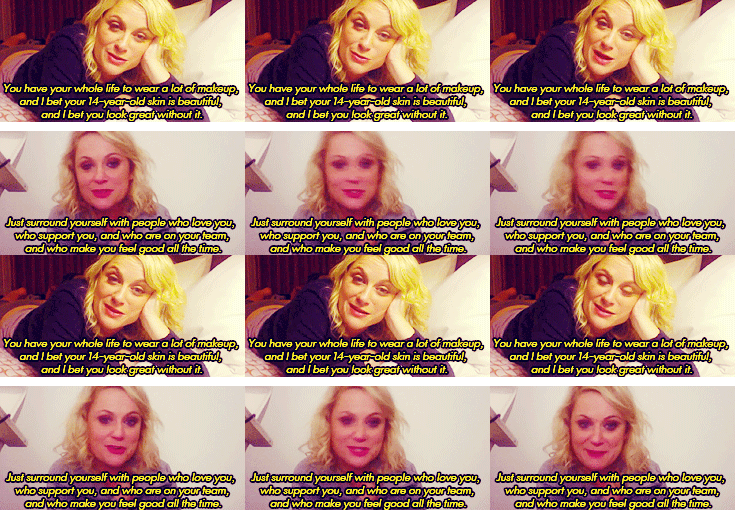
thetrevorproject:

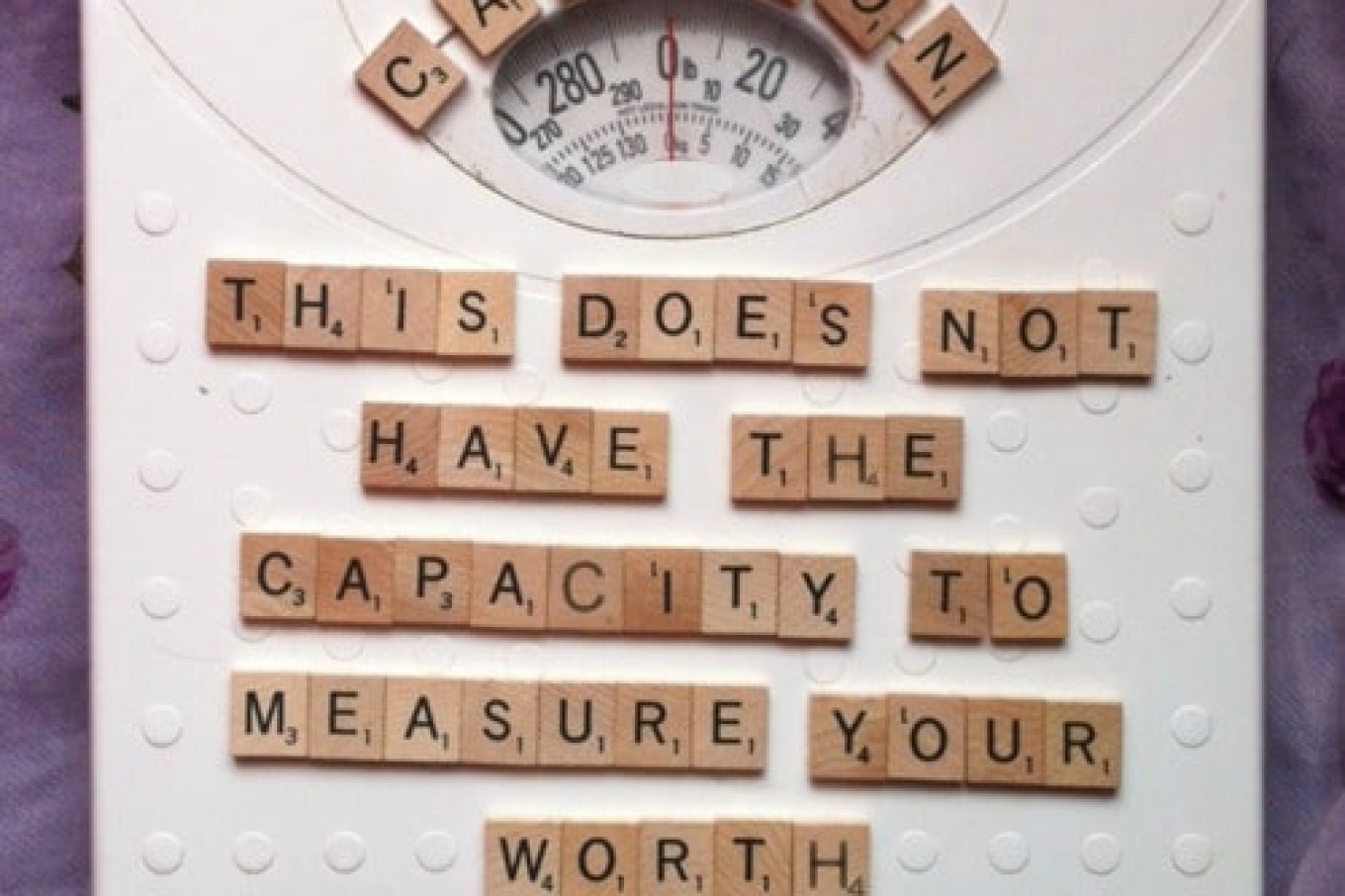
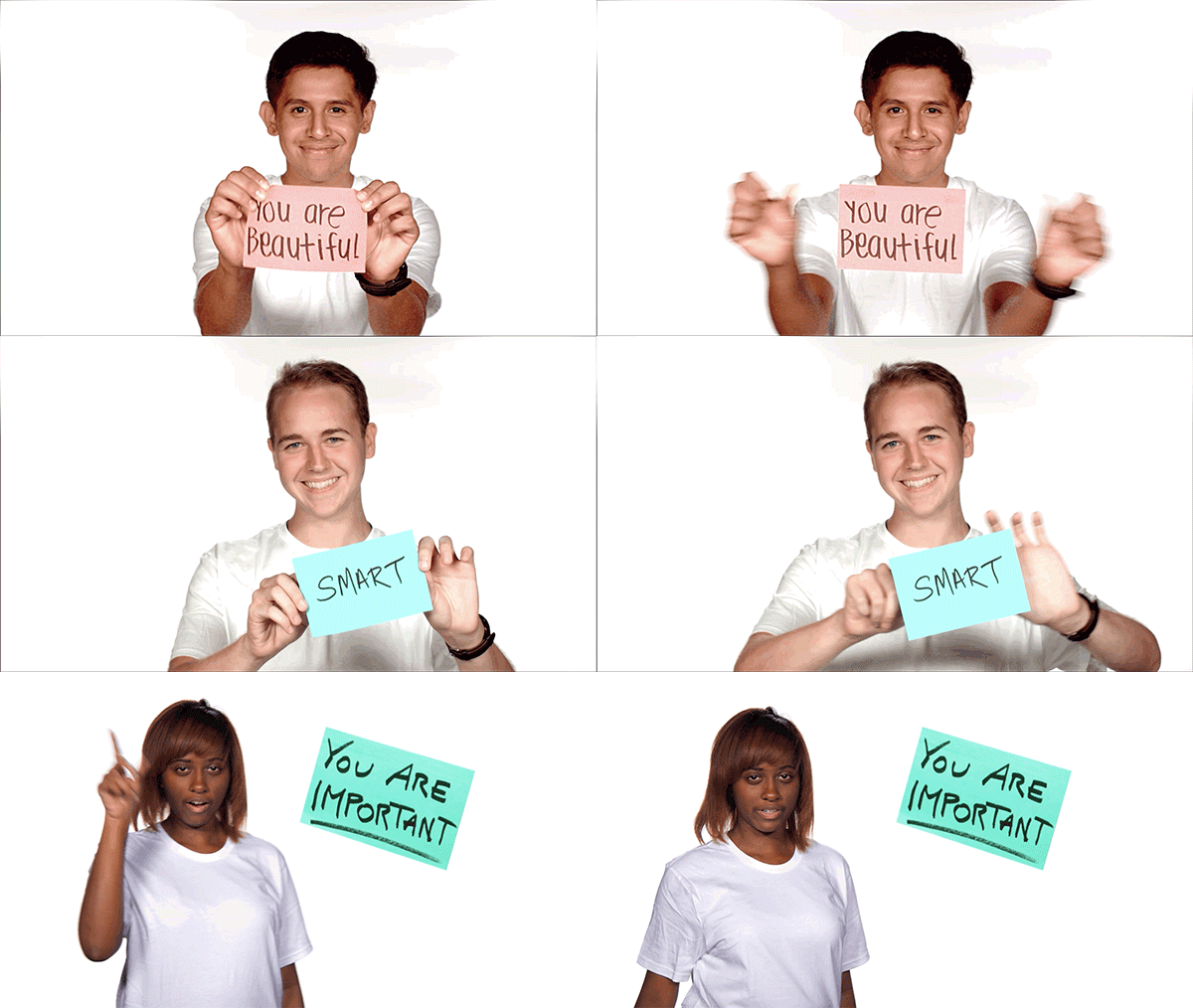
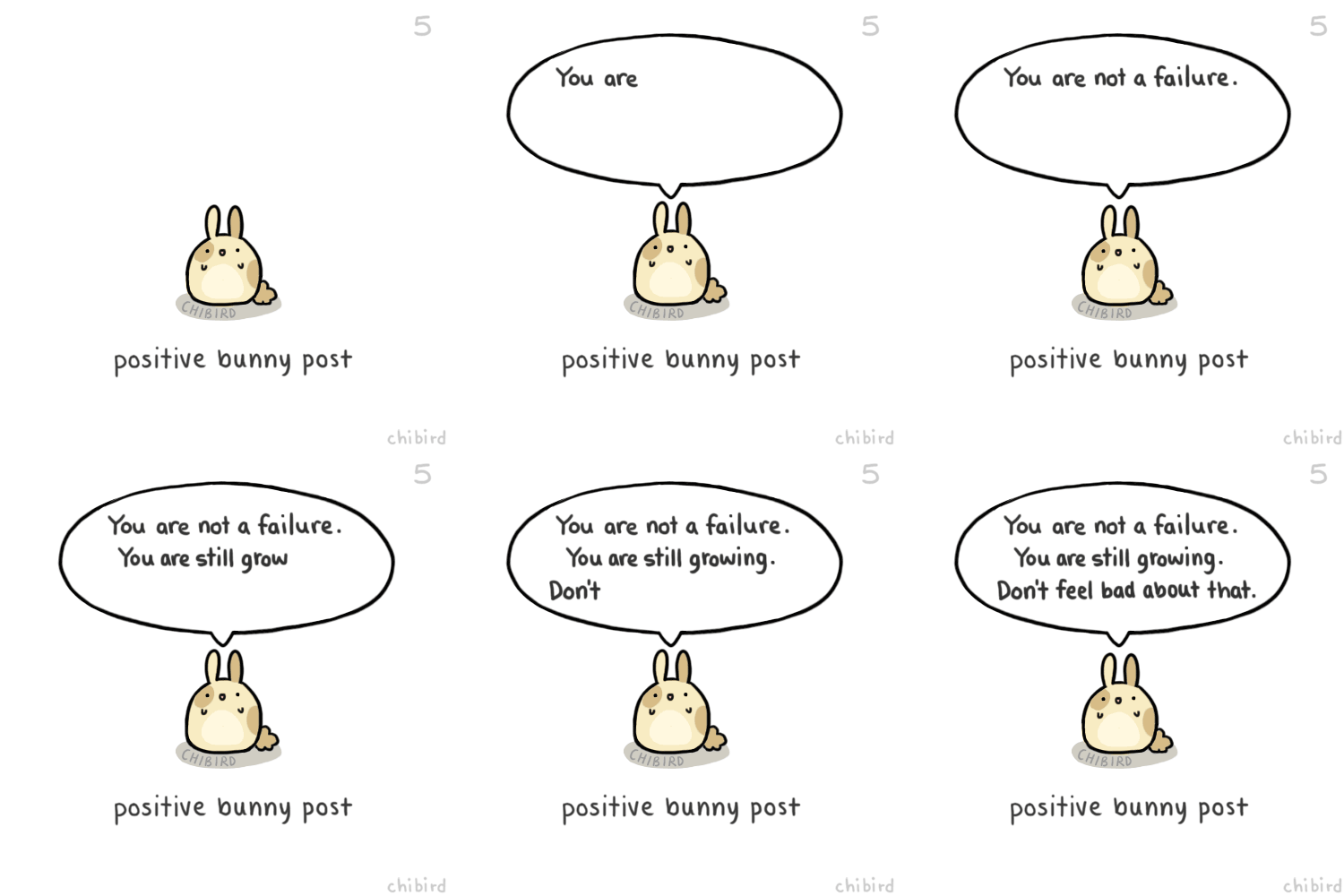
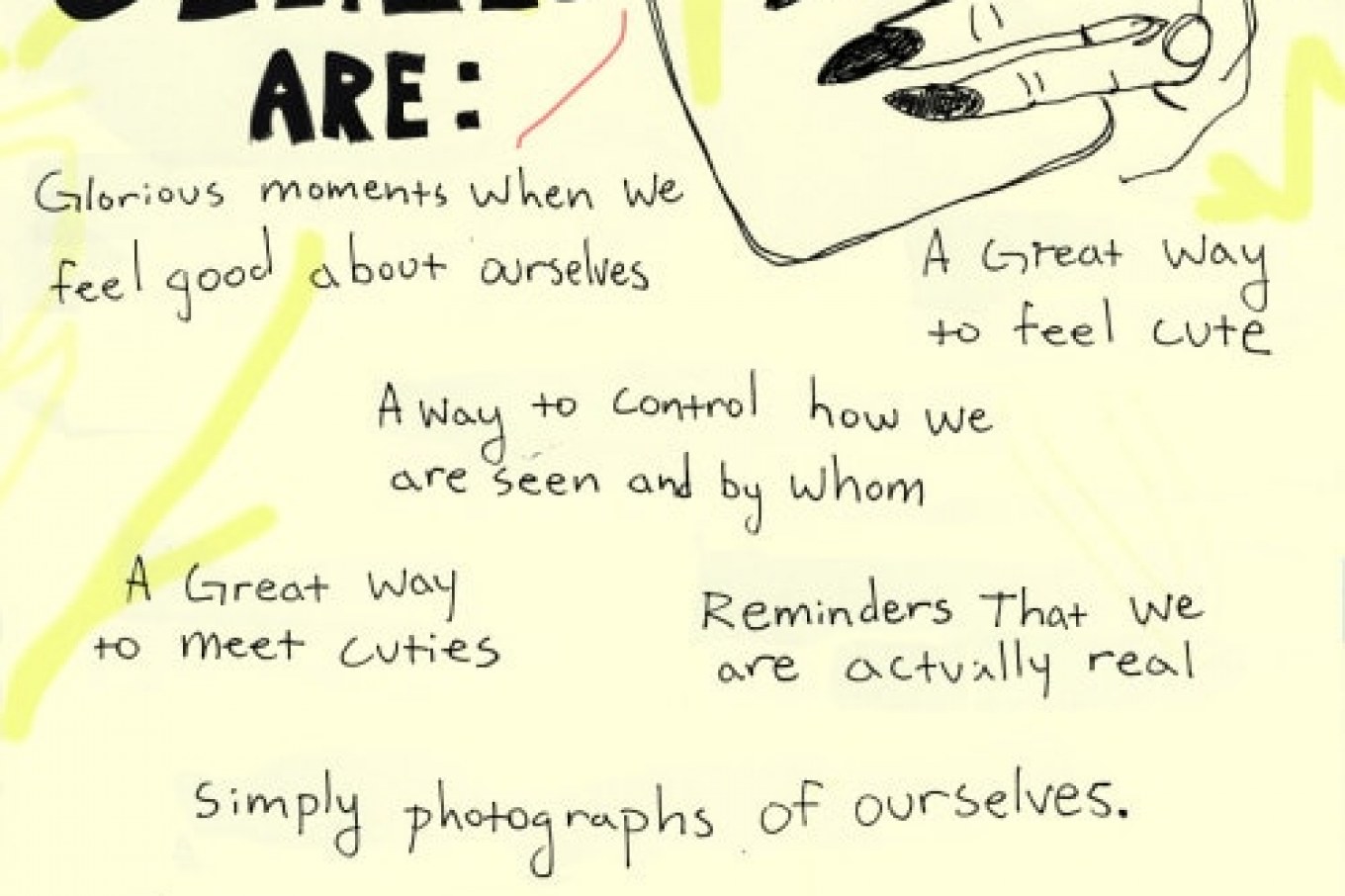
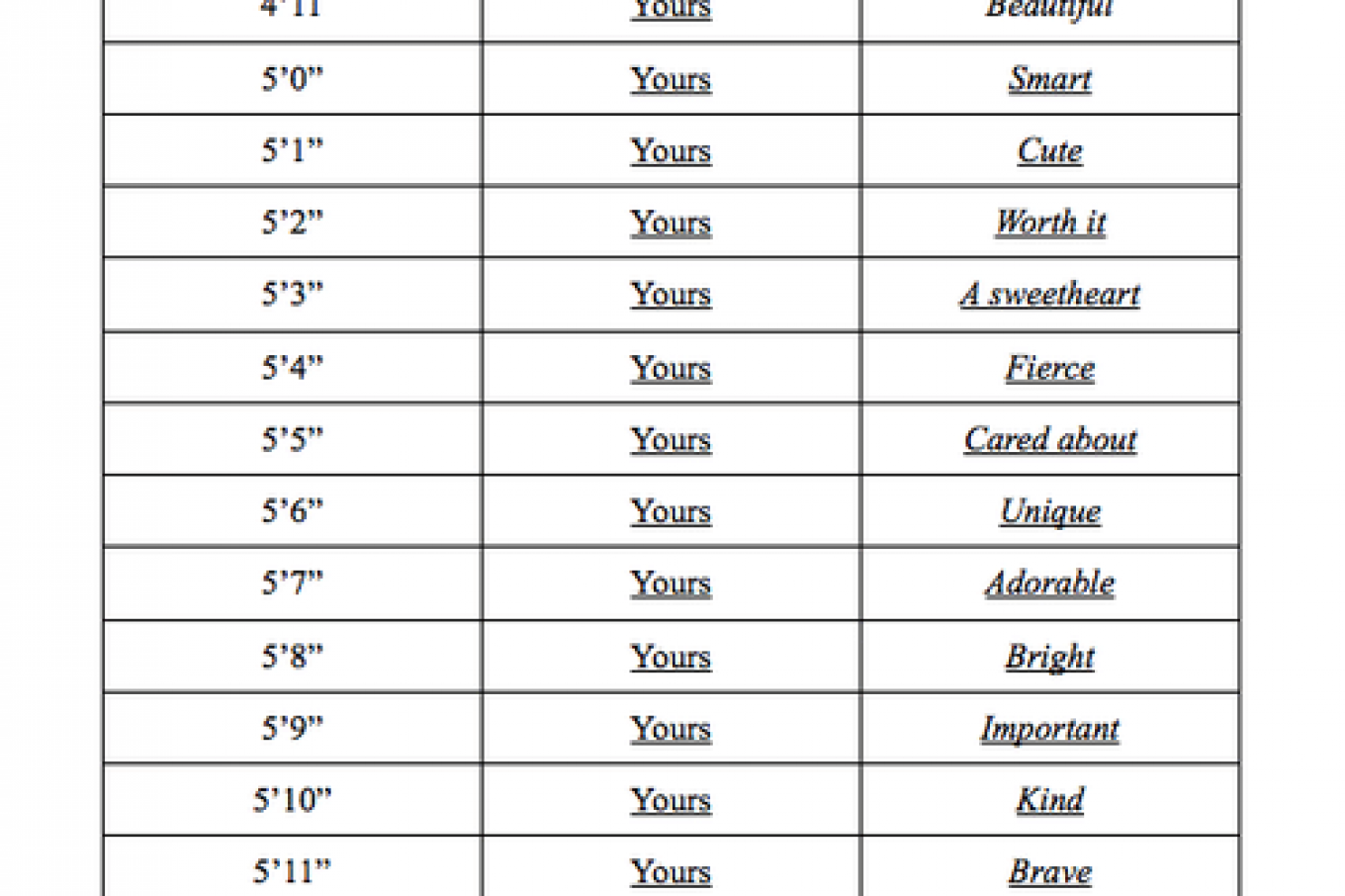
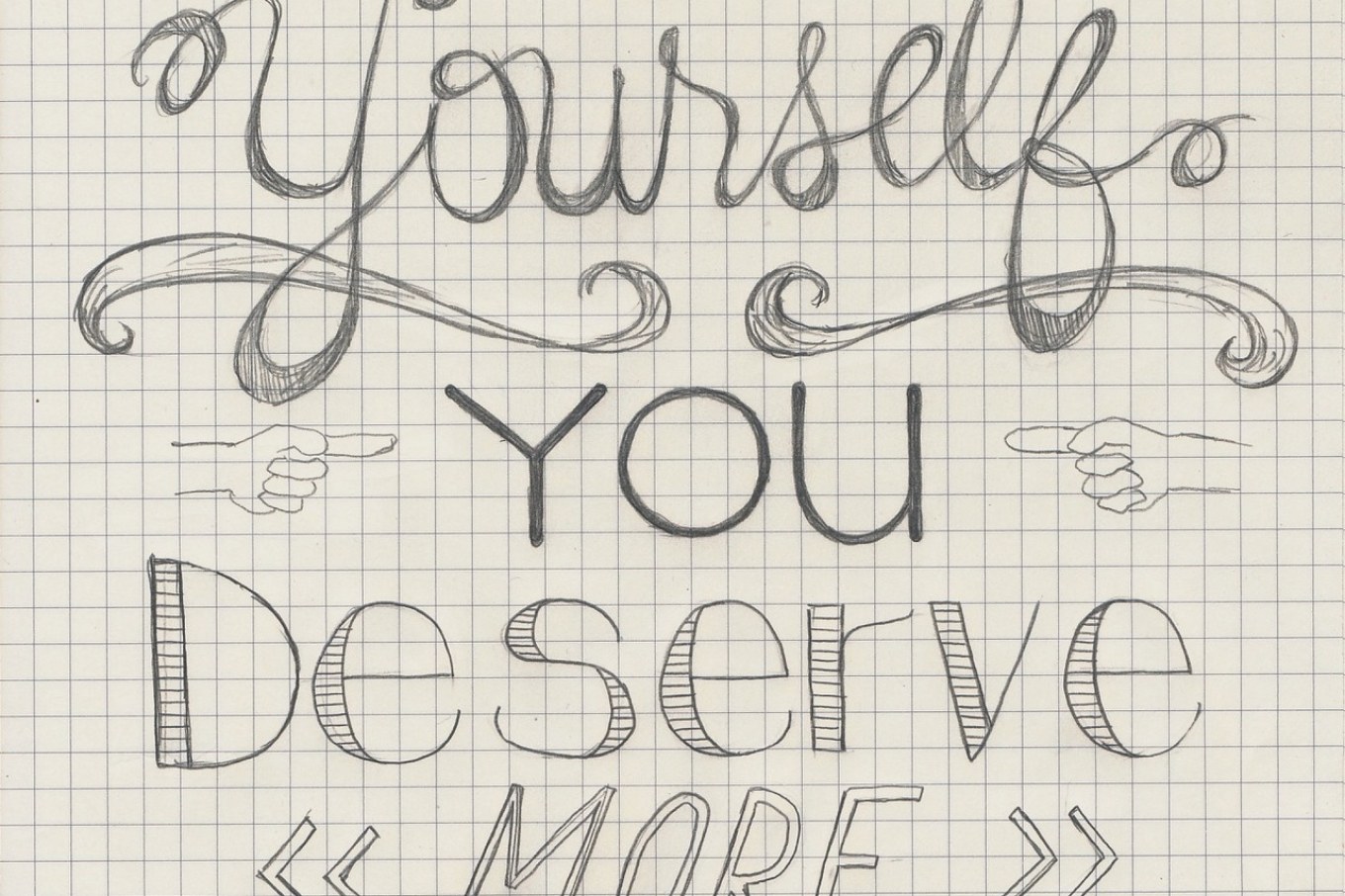
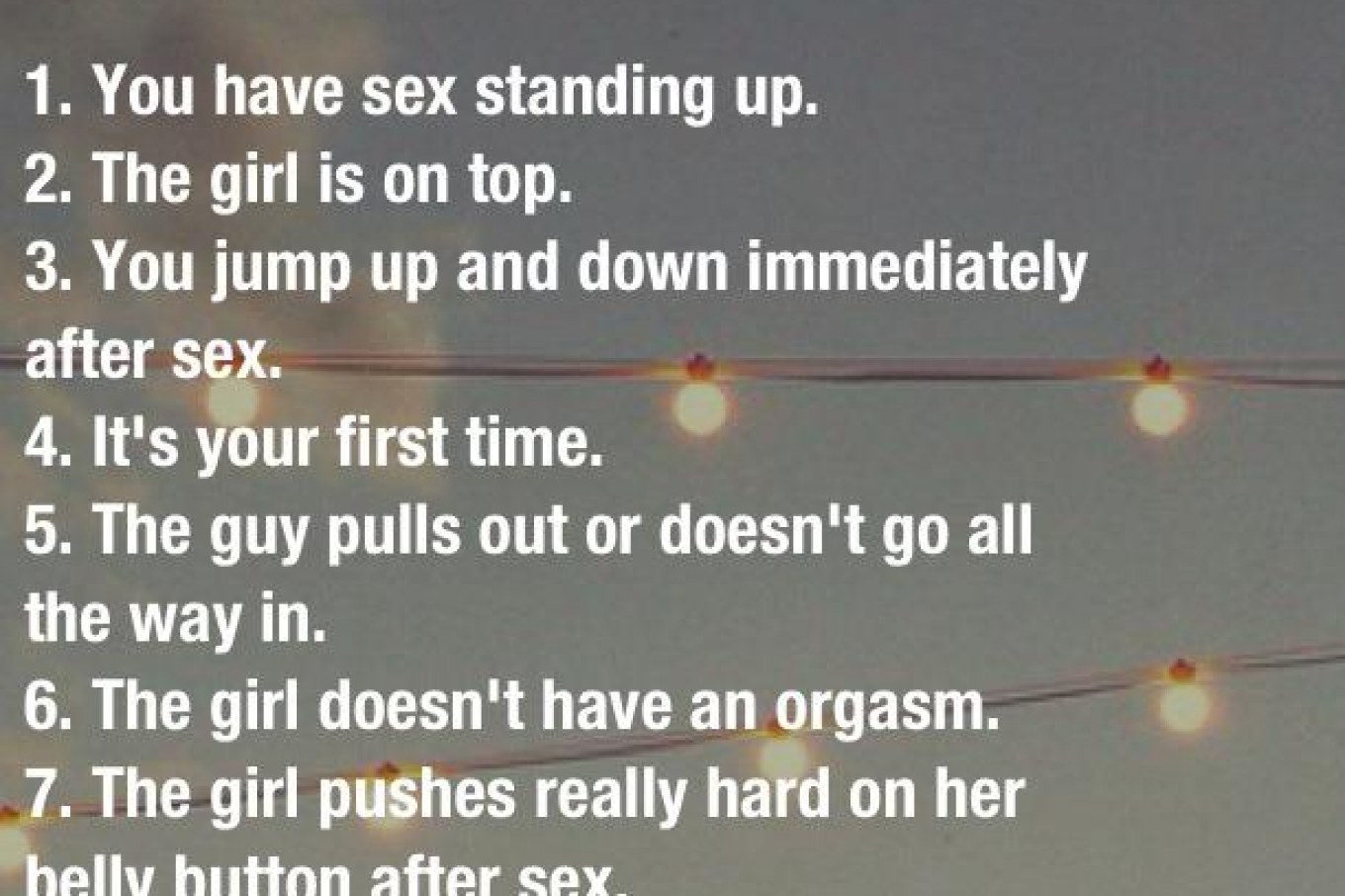
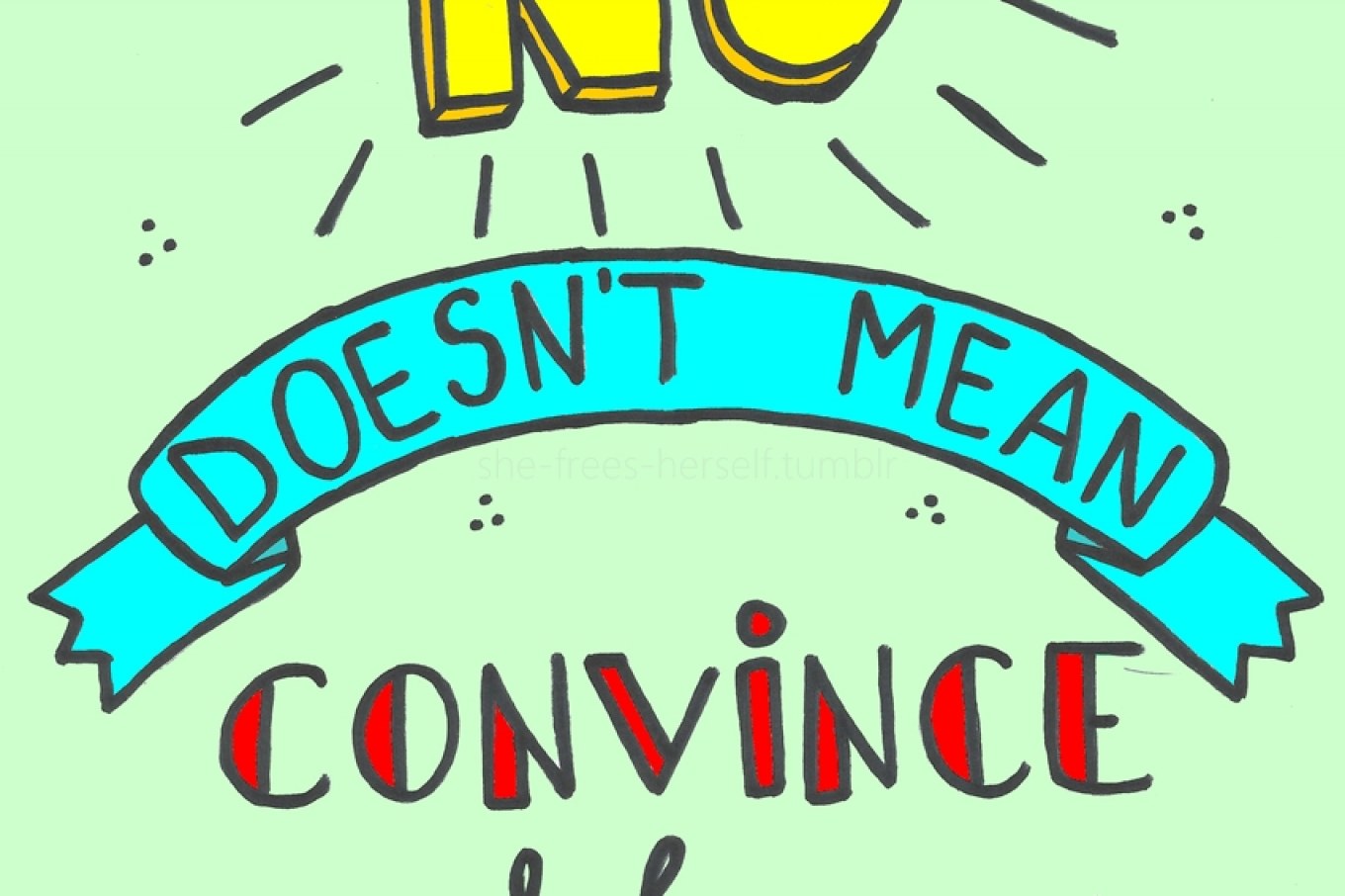
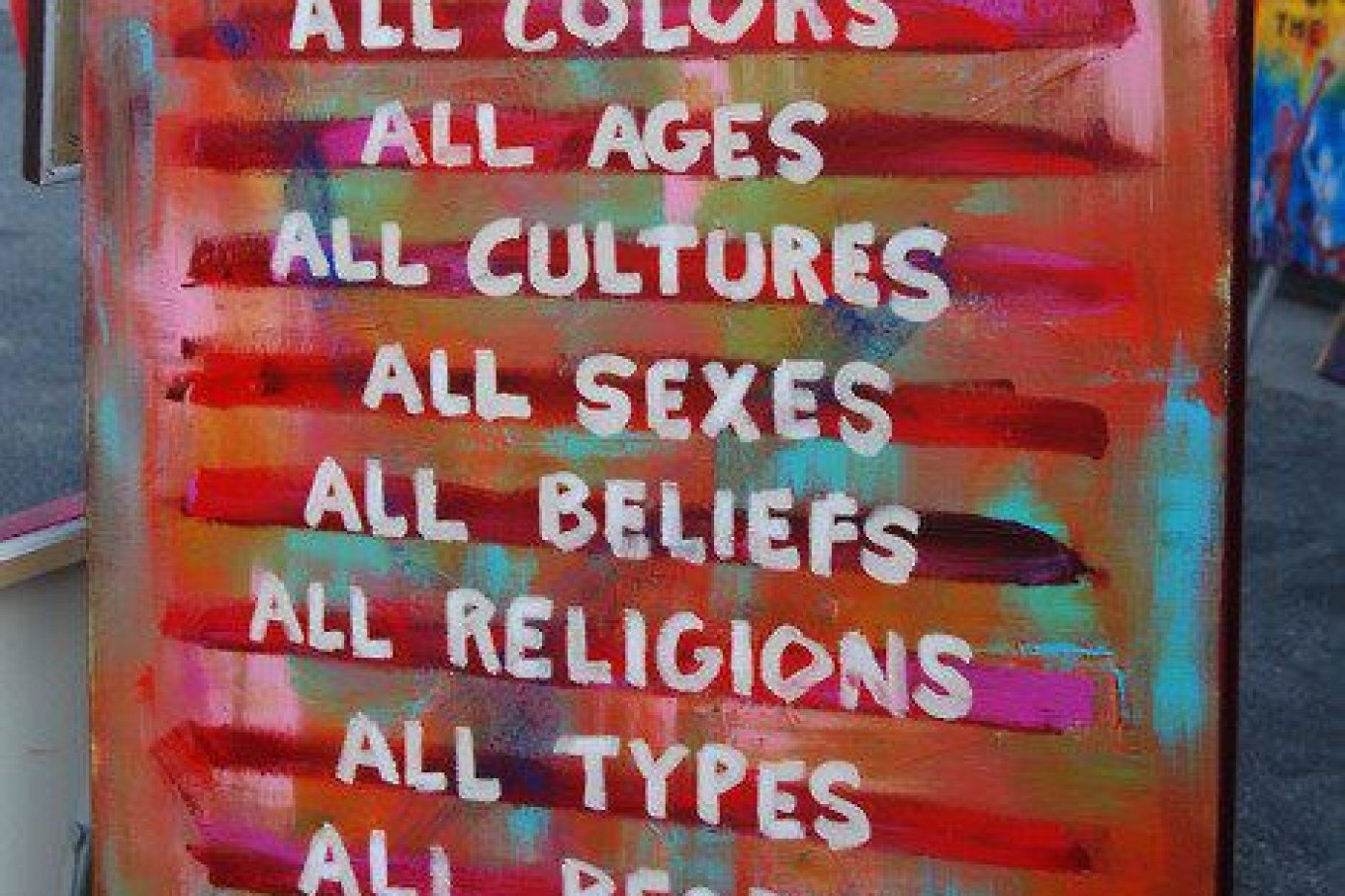
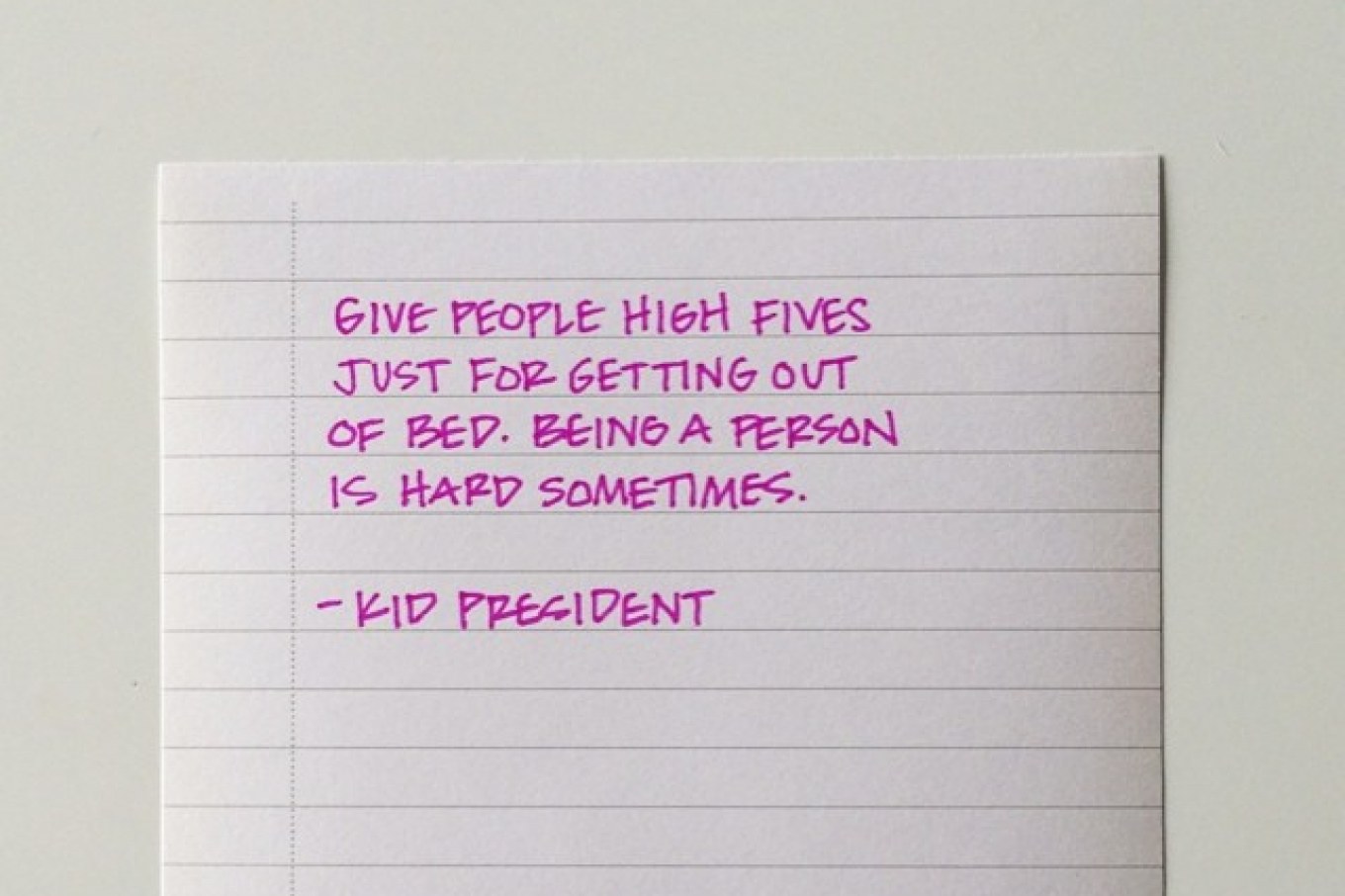
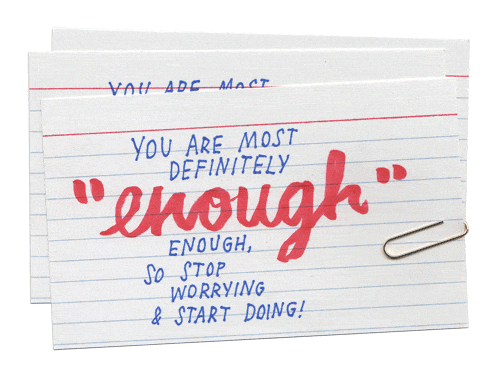
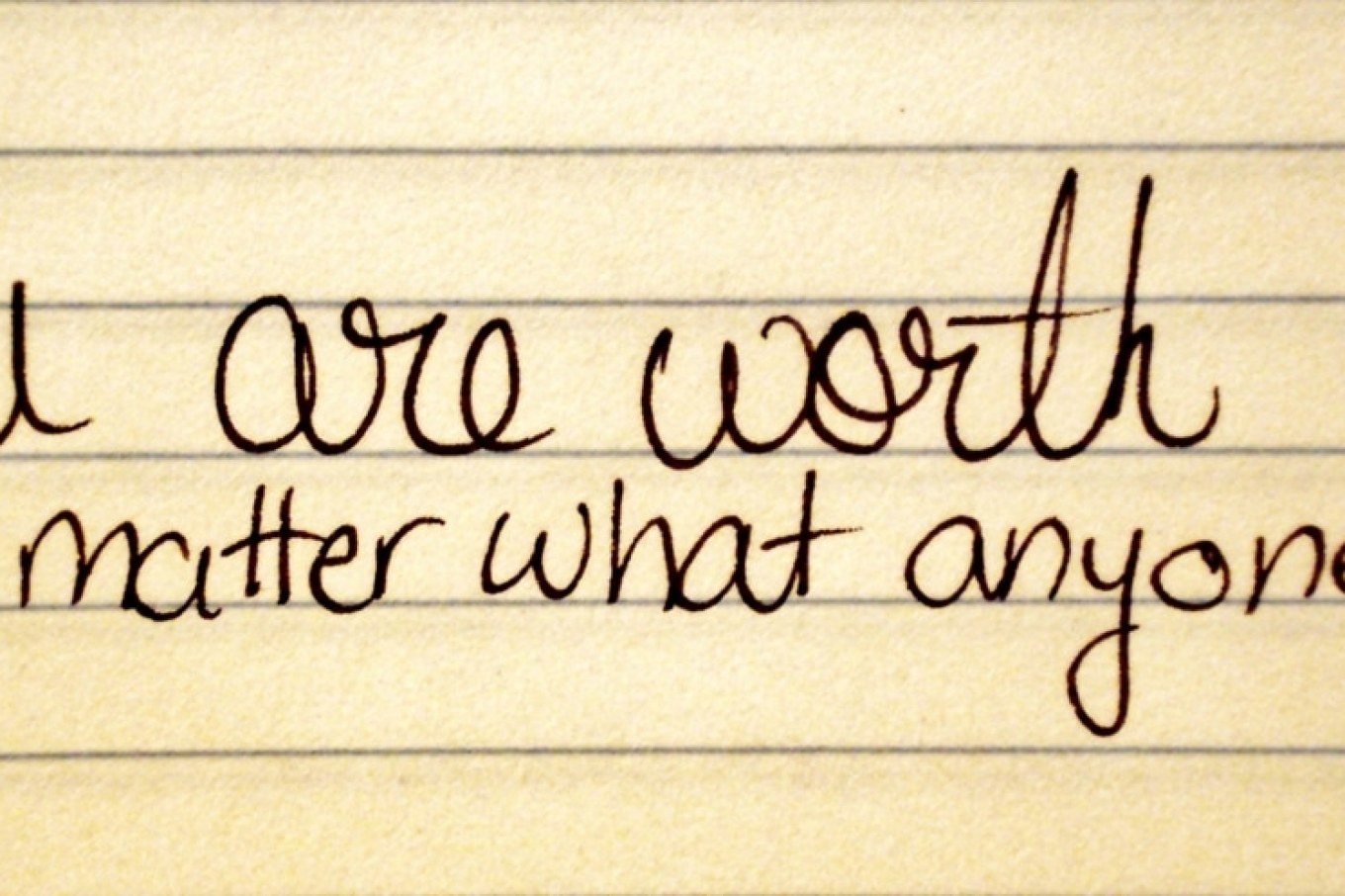
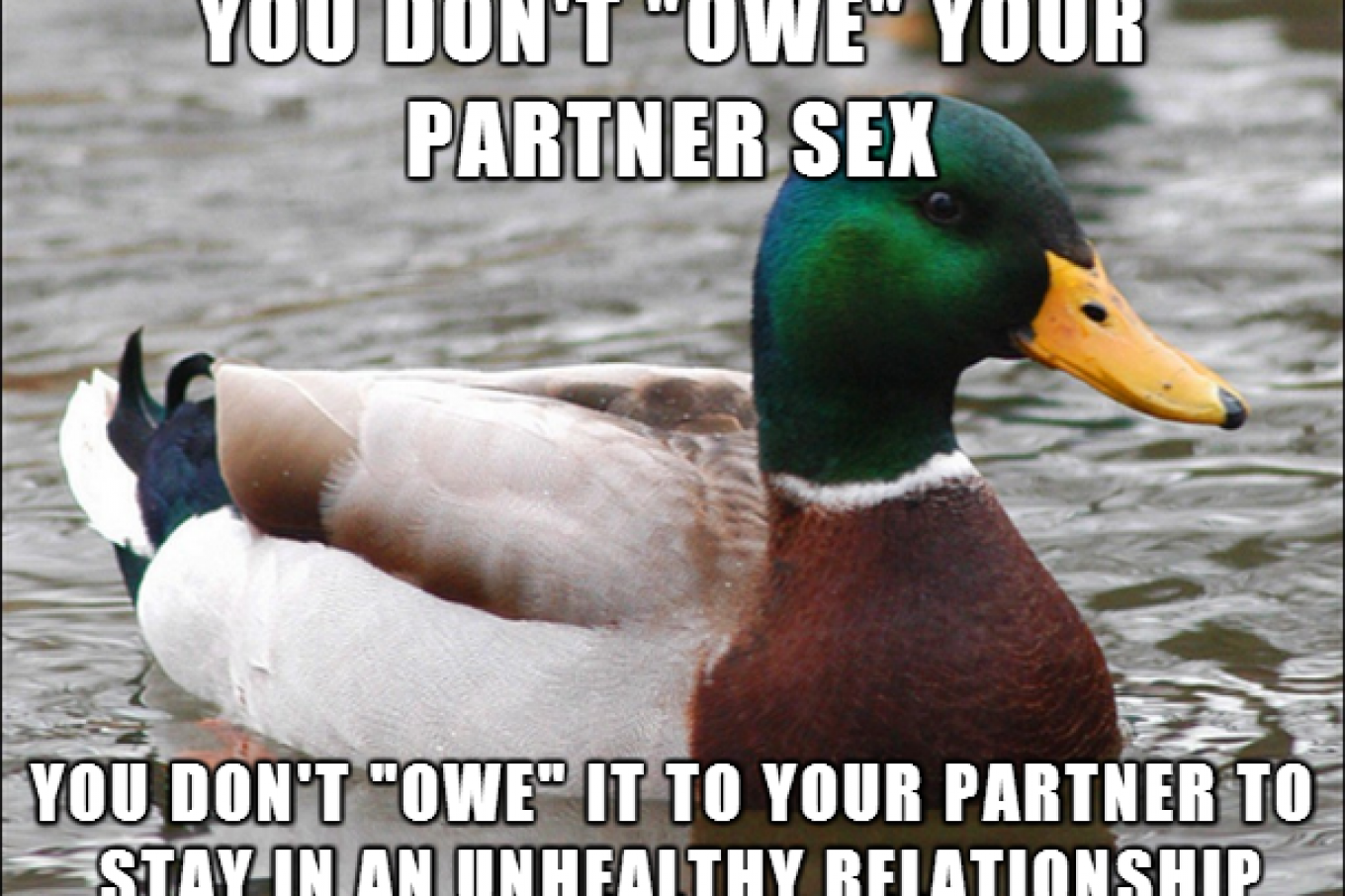
It’s true! Each and every one of you.

thetrevorproject:

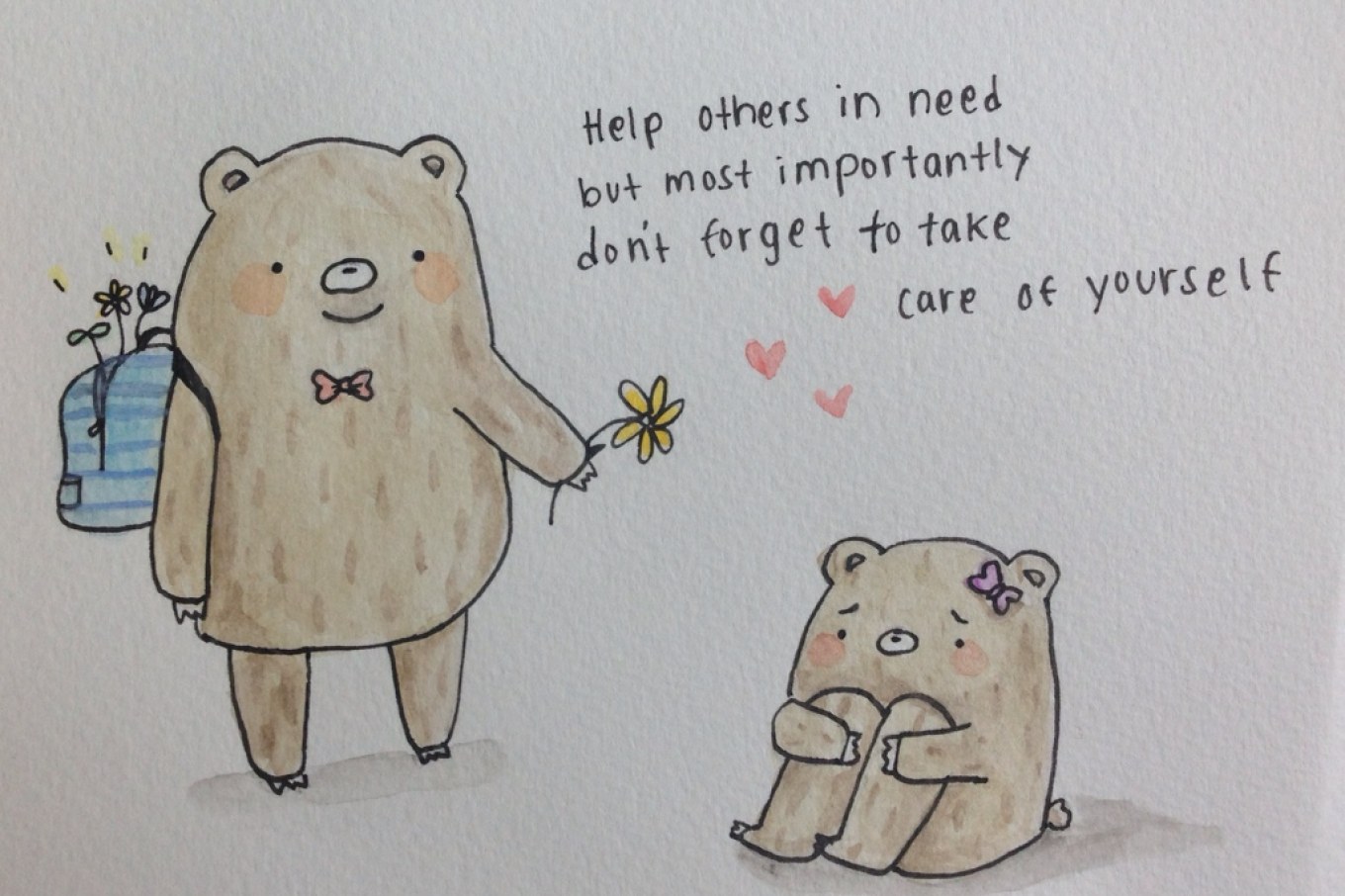
It’s true! Each and every one of you.


Reblog

Reblogged from thetrevorproject

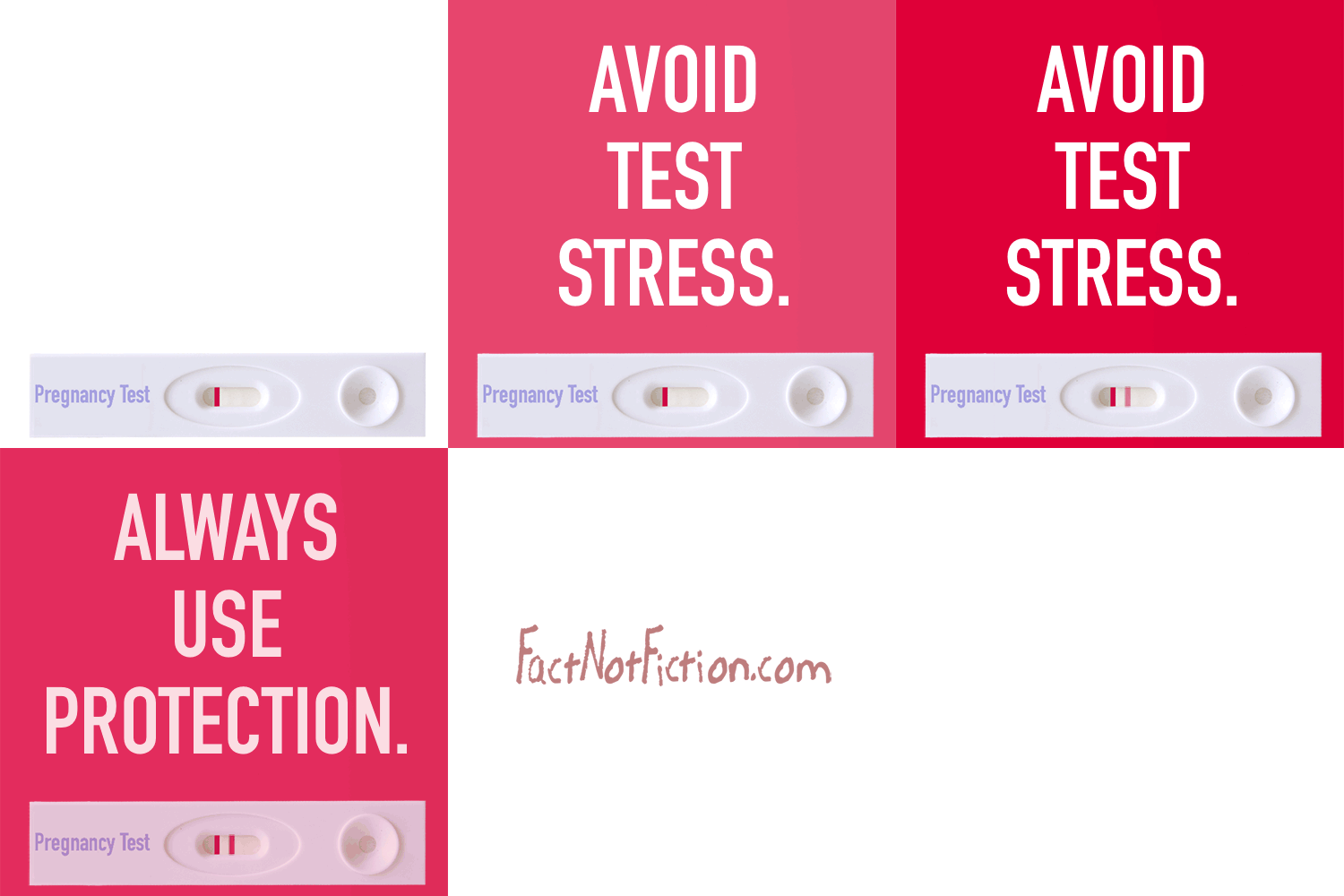
Ask the FNF Experts: “Can I still have a full period and be pregnant?”

Although it’s not common for someone to be pregnant and have a “full” period, there are some women who do have a light period or vaginal spotting the first 2 or 3 months after becoming pregnant, as the womb (uterus) adjusts to the hormones of pregnancy.  Even with a full period, if you think you might be pregnant, you should go to your health care provider or local clinic and get a pregnancy test done right away.  The earliest days of a pregnancy are very, very important in the development of a healthy baby.  


- The FNF Experts


pregnancy ask the experts teens teen pregnancy

Reblog

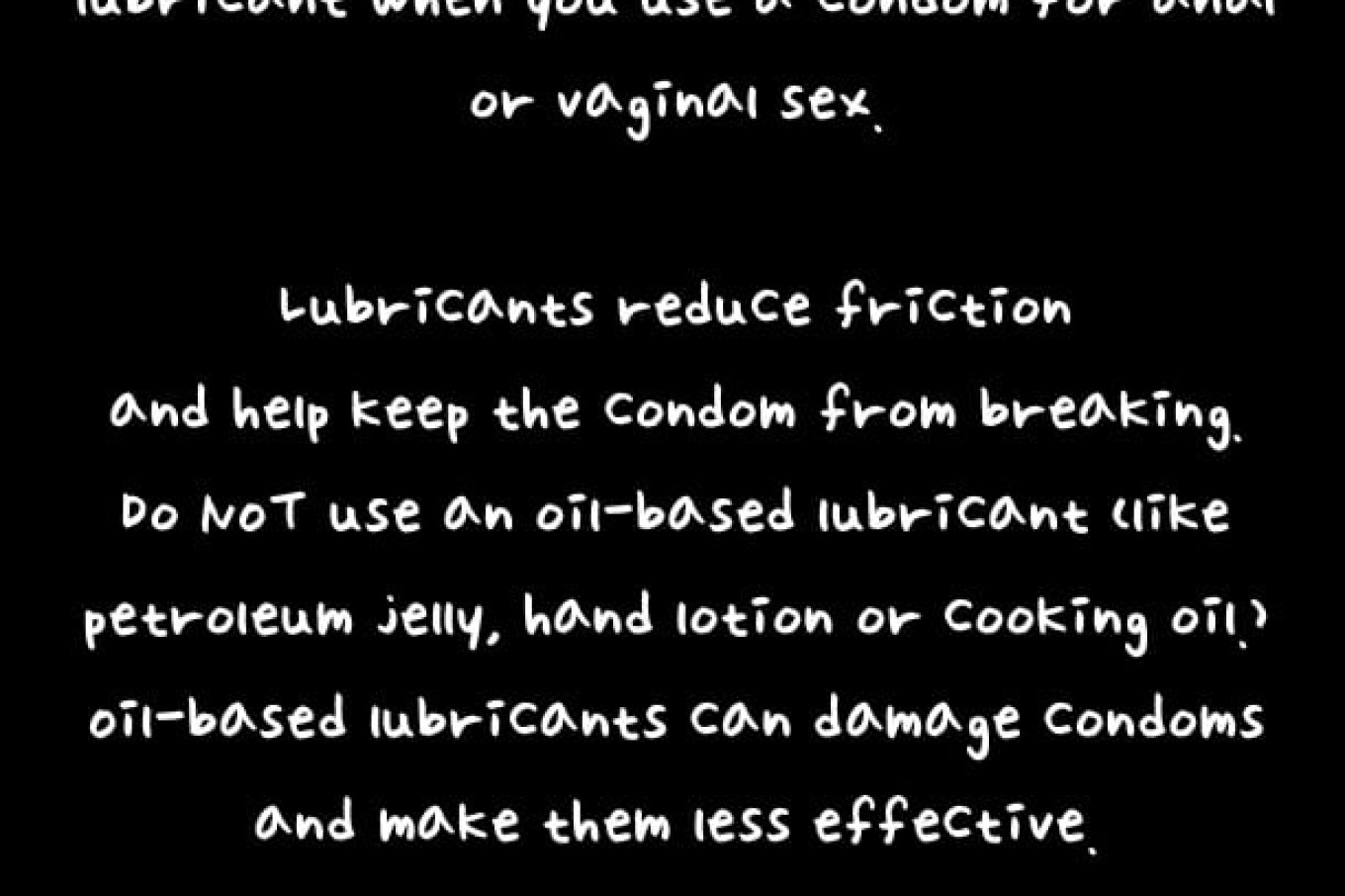
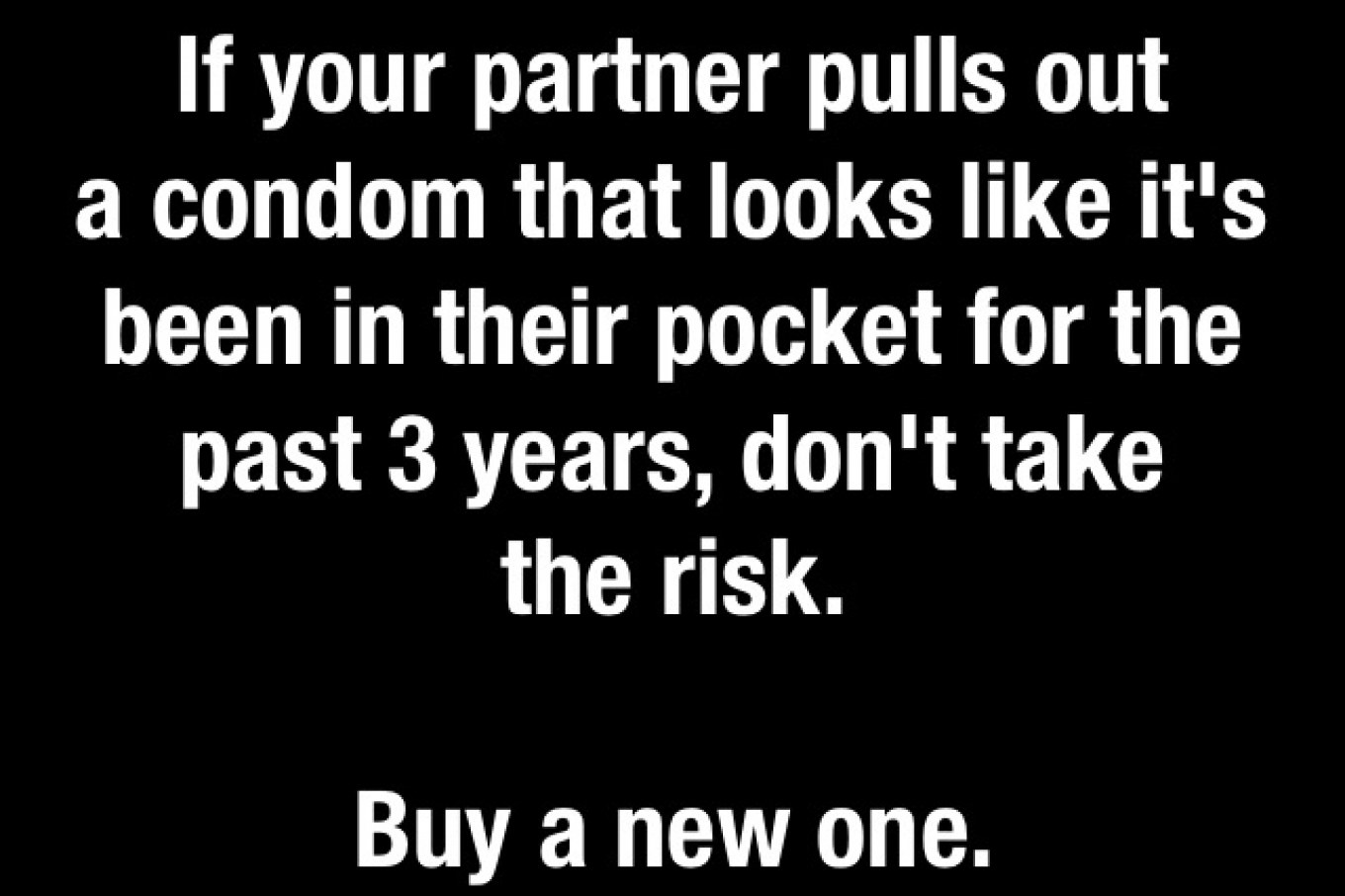
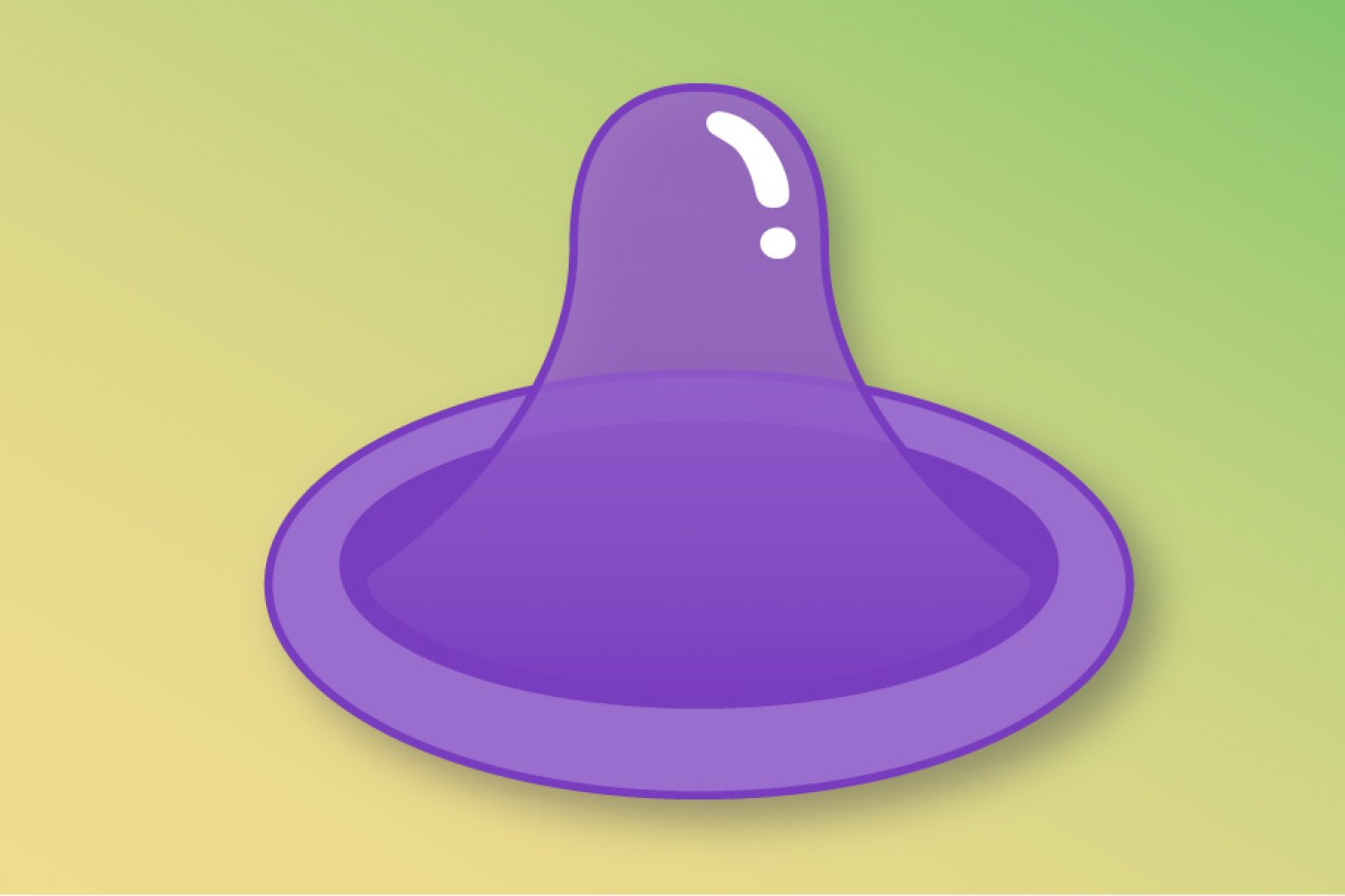
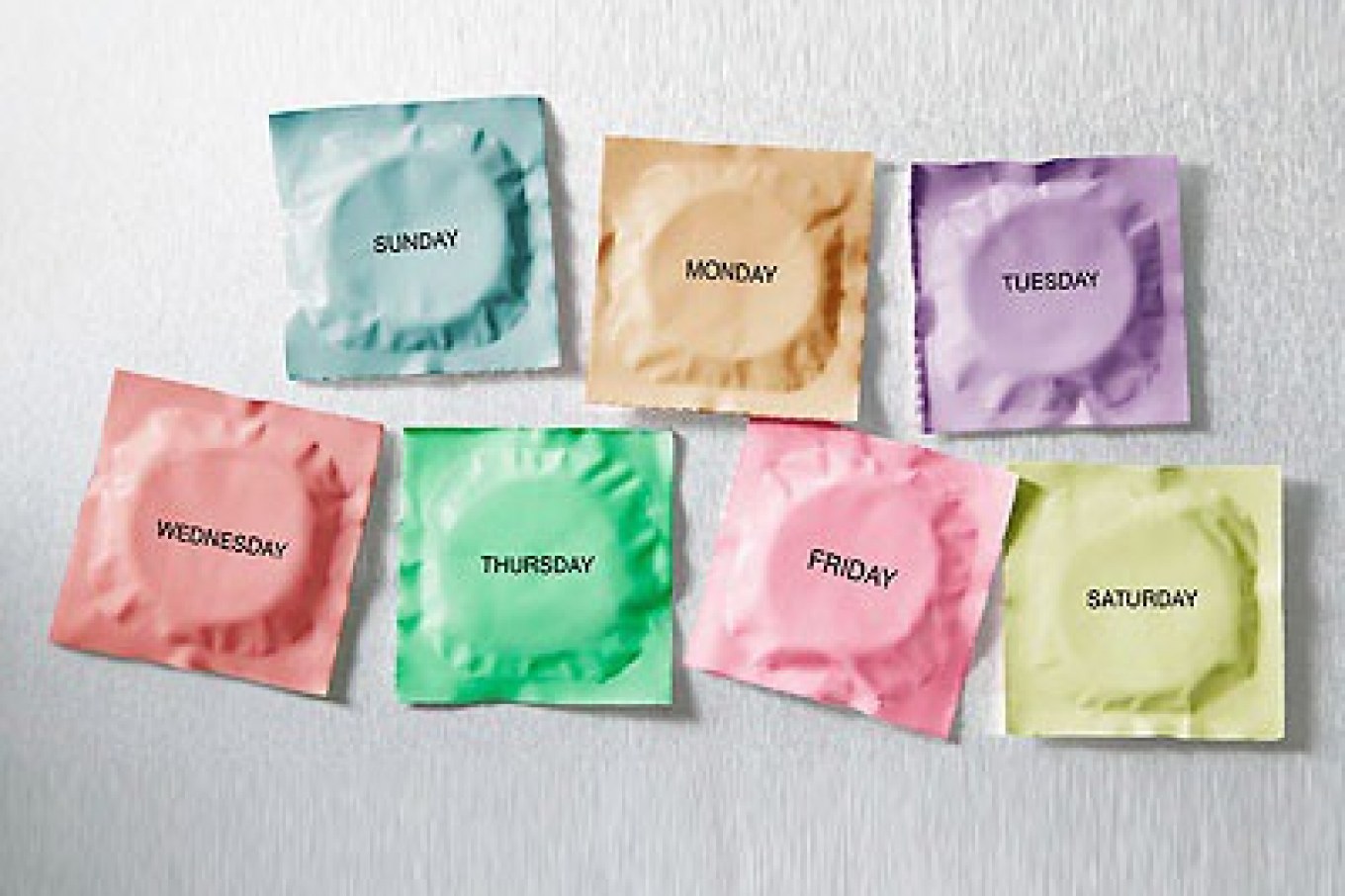
What to do when condoms break..

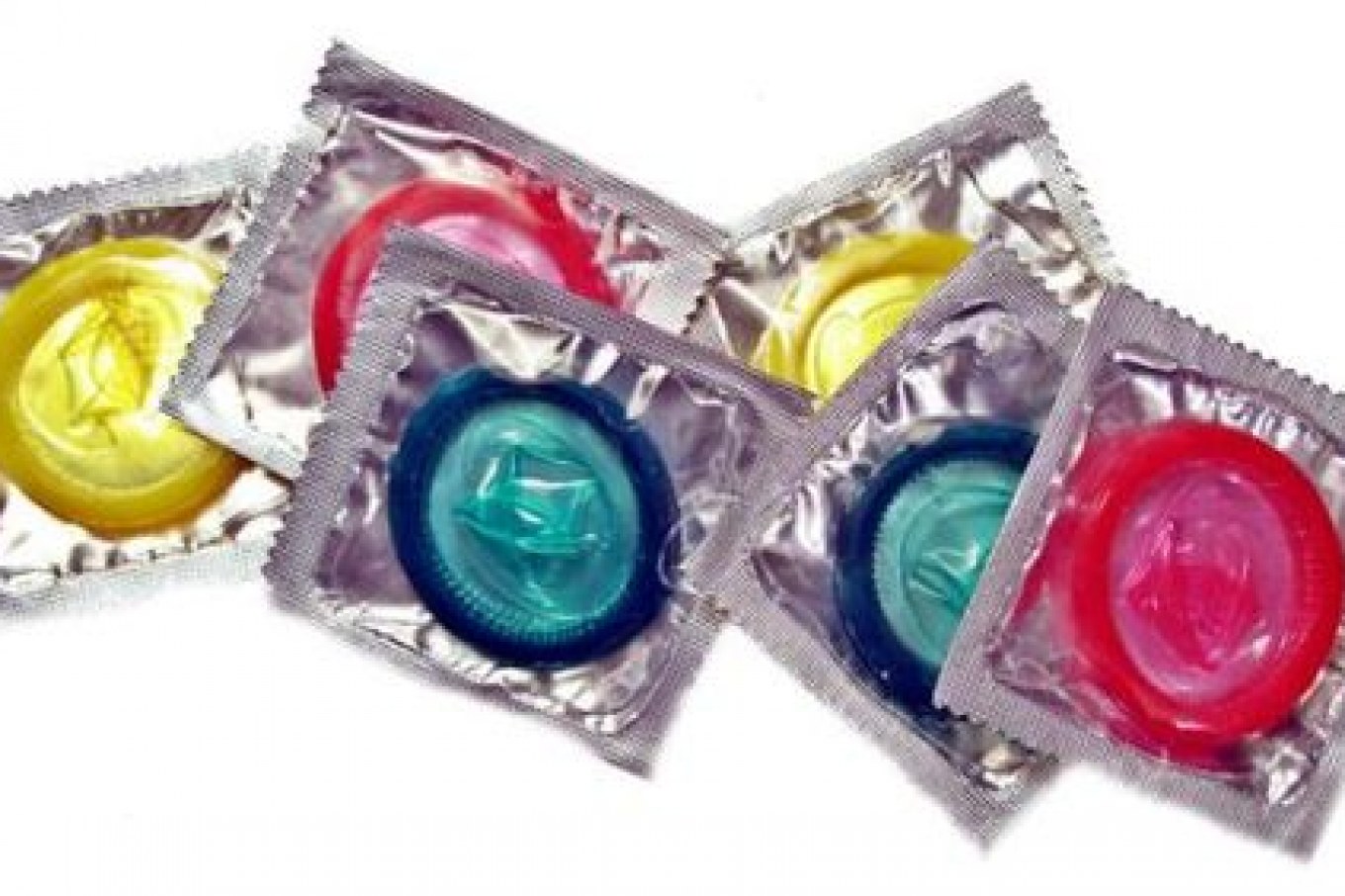
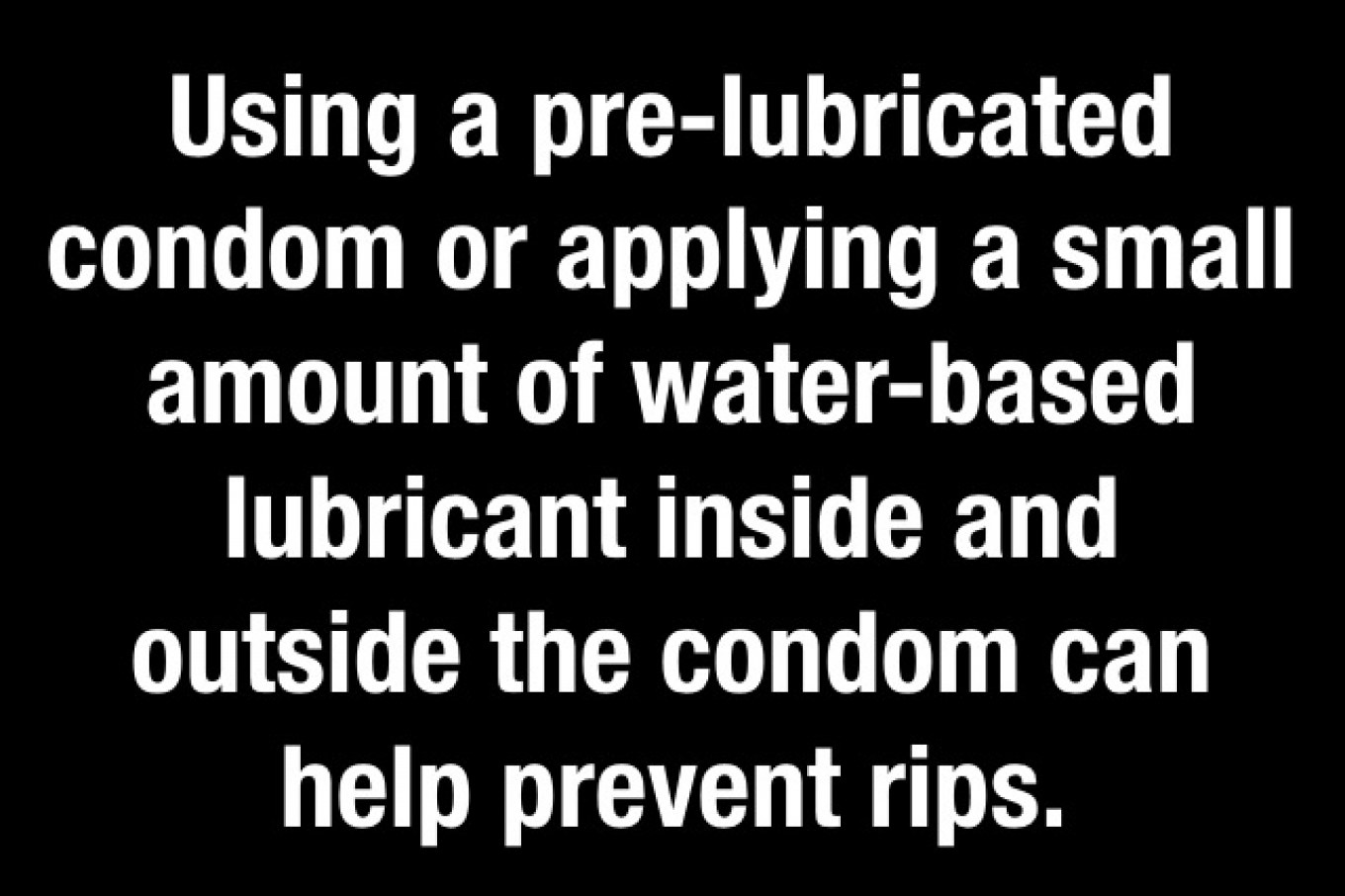
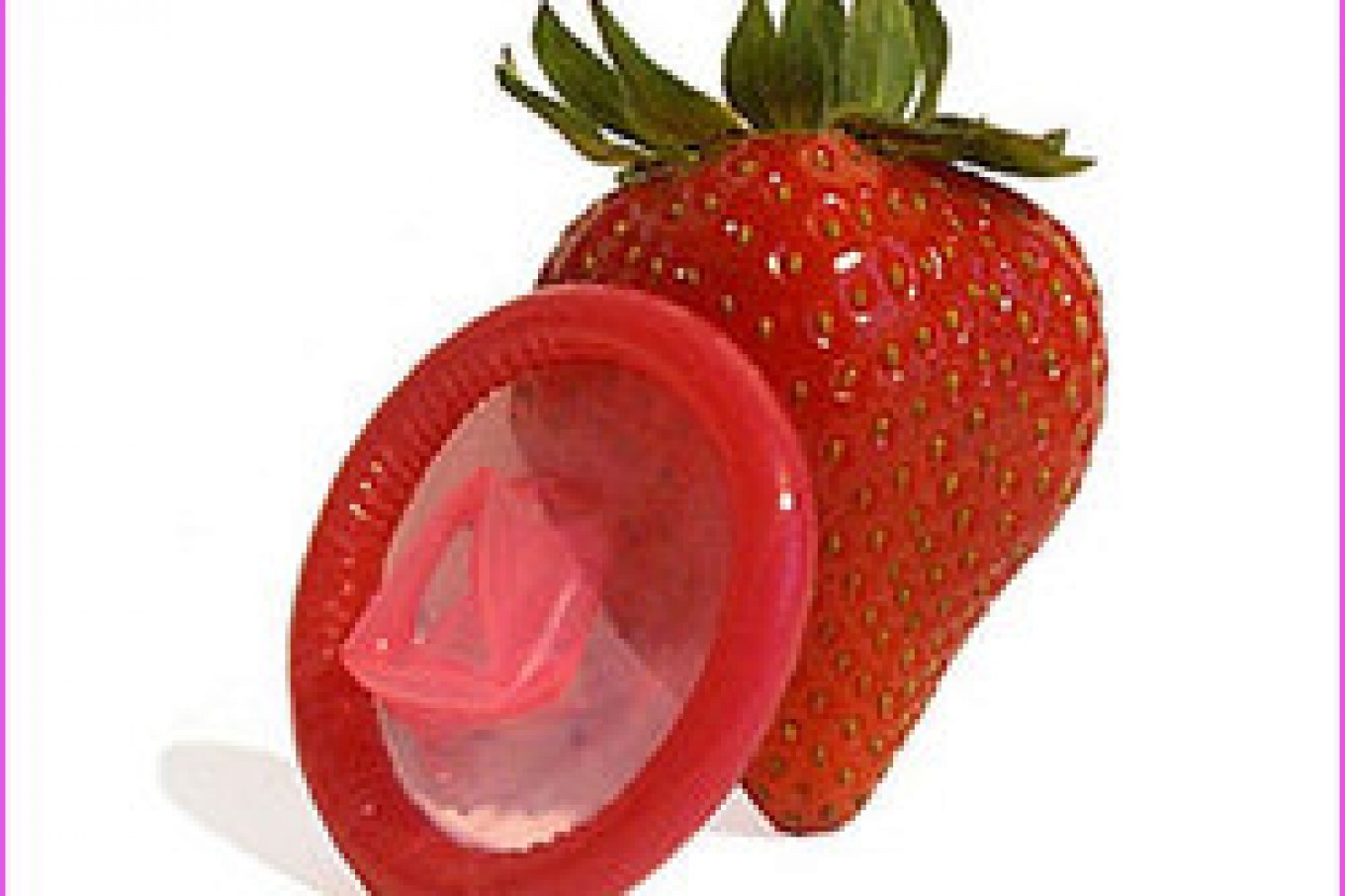
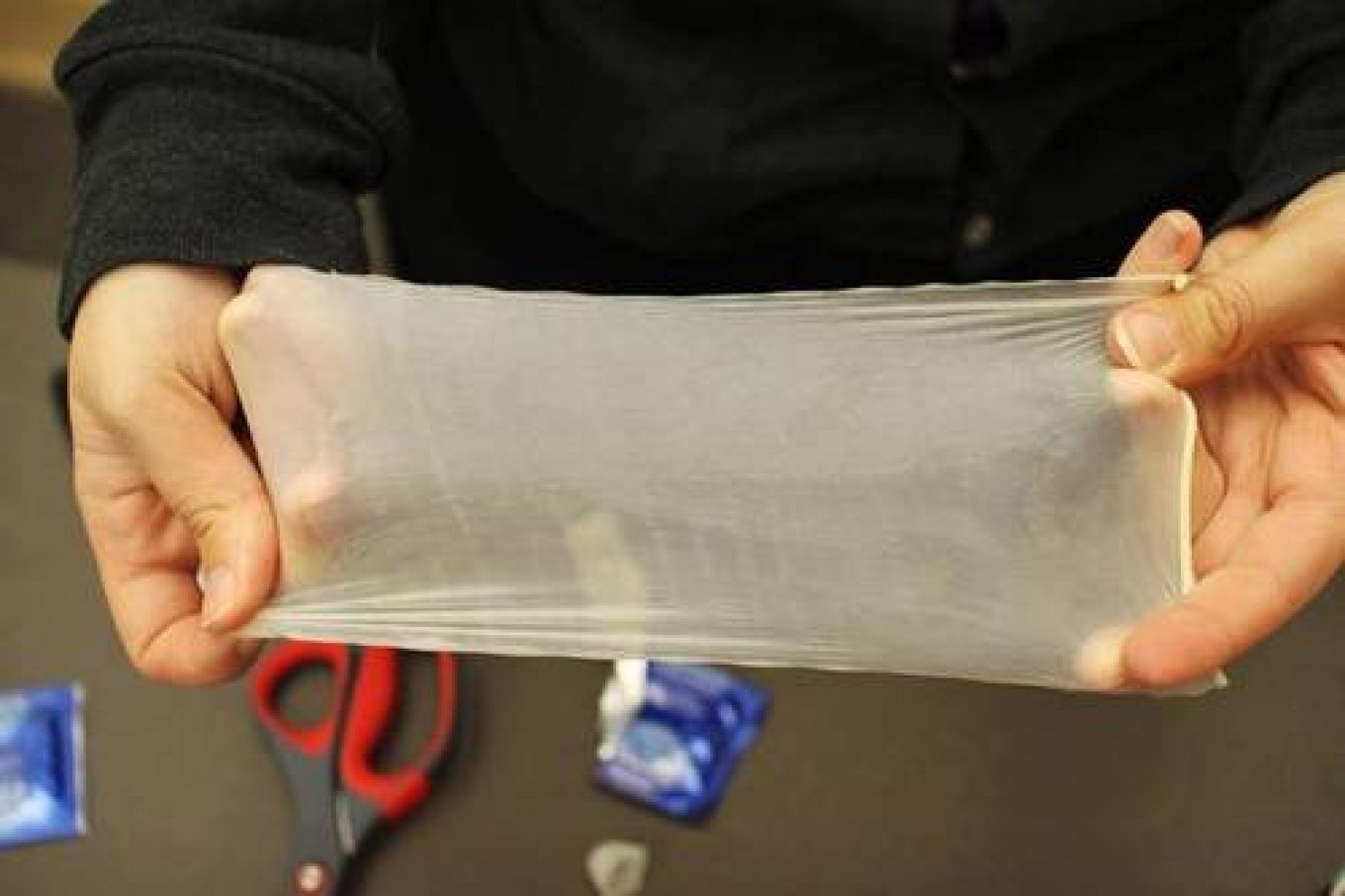
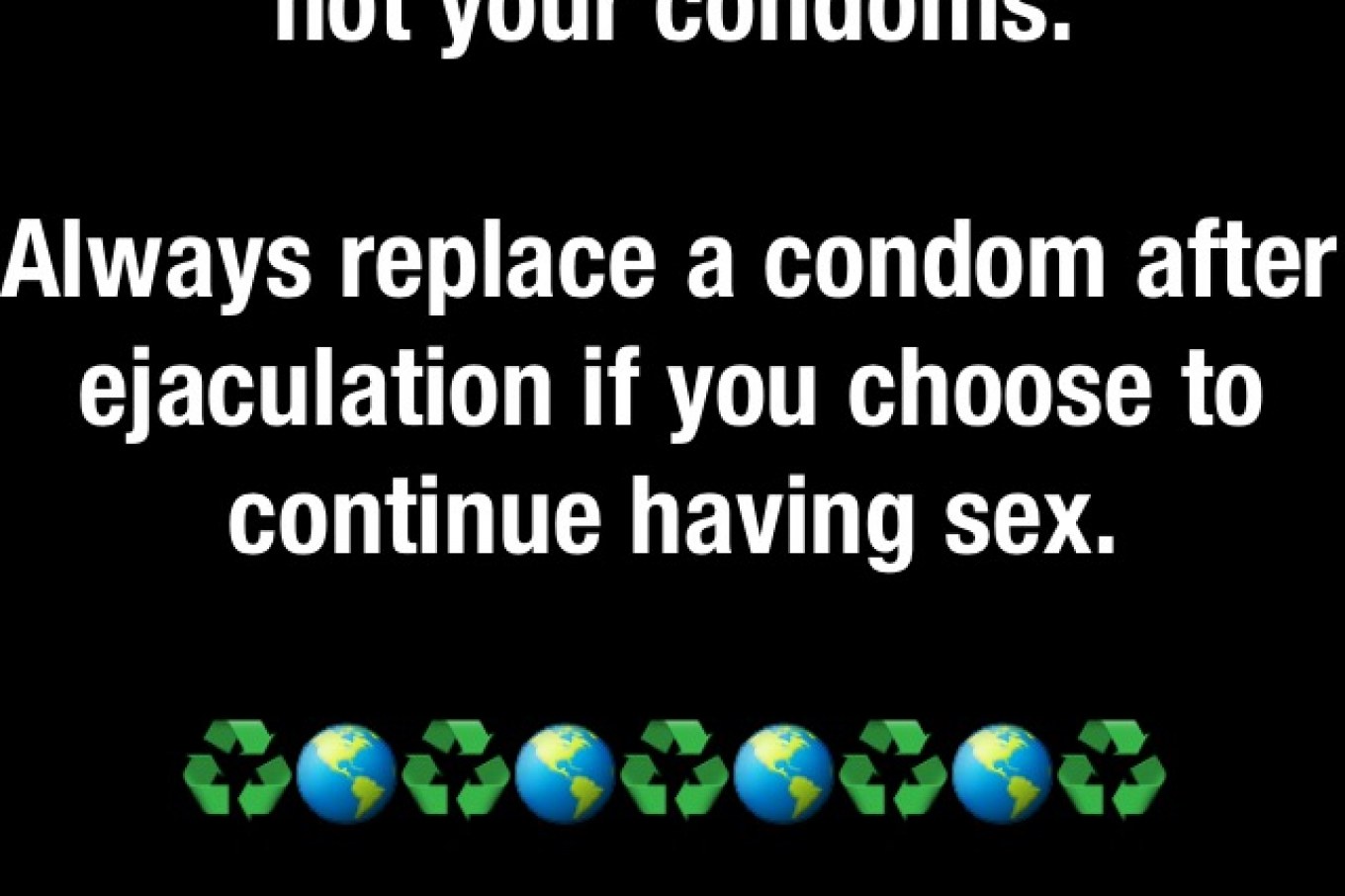
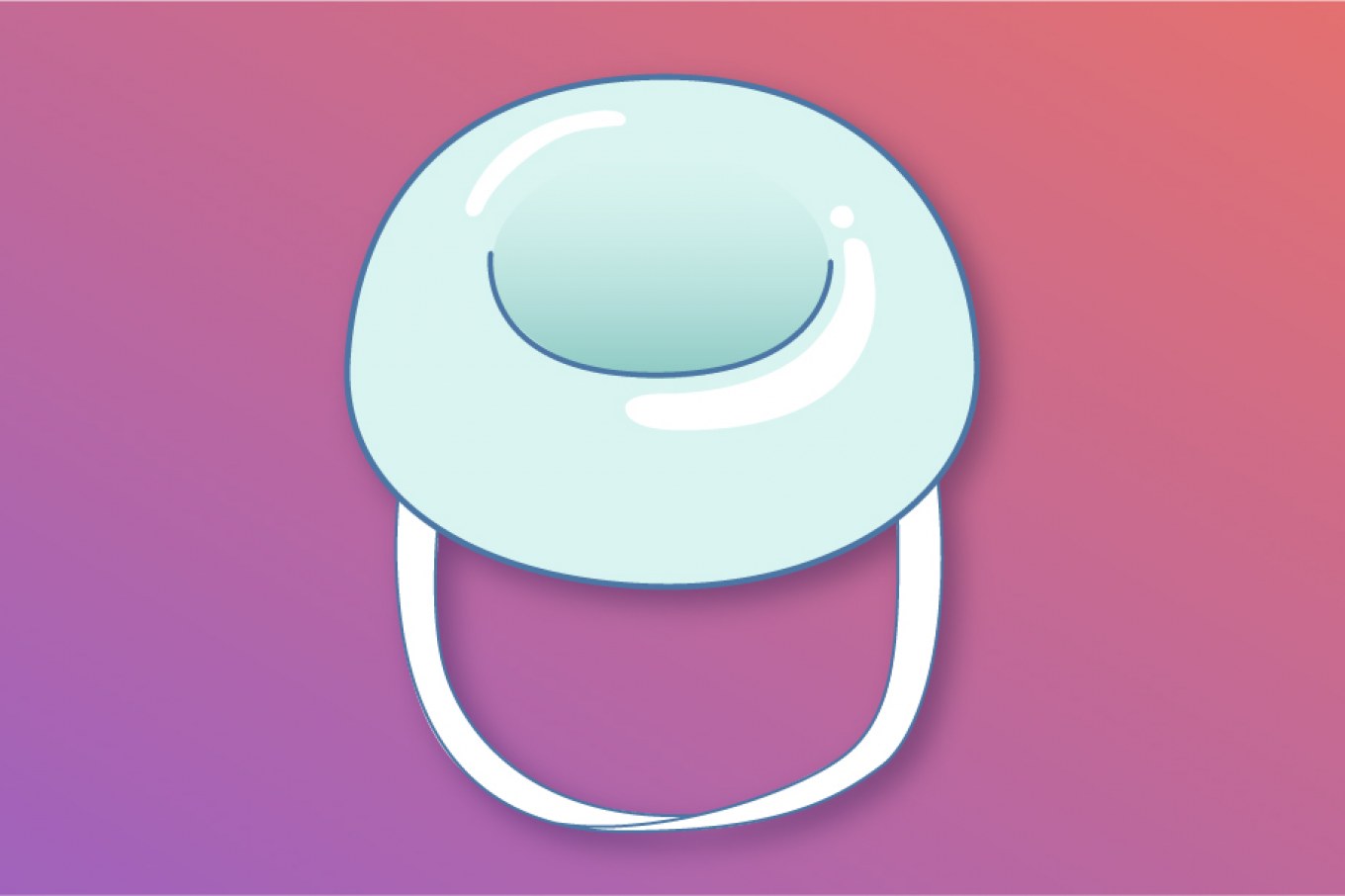
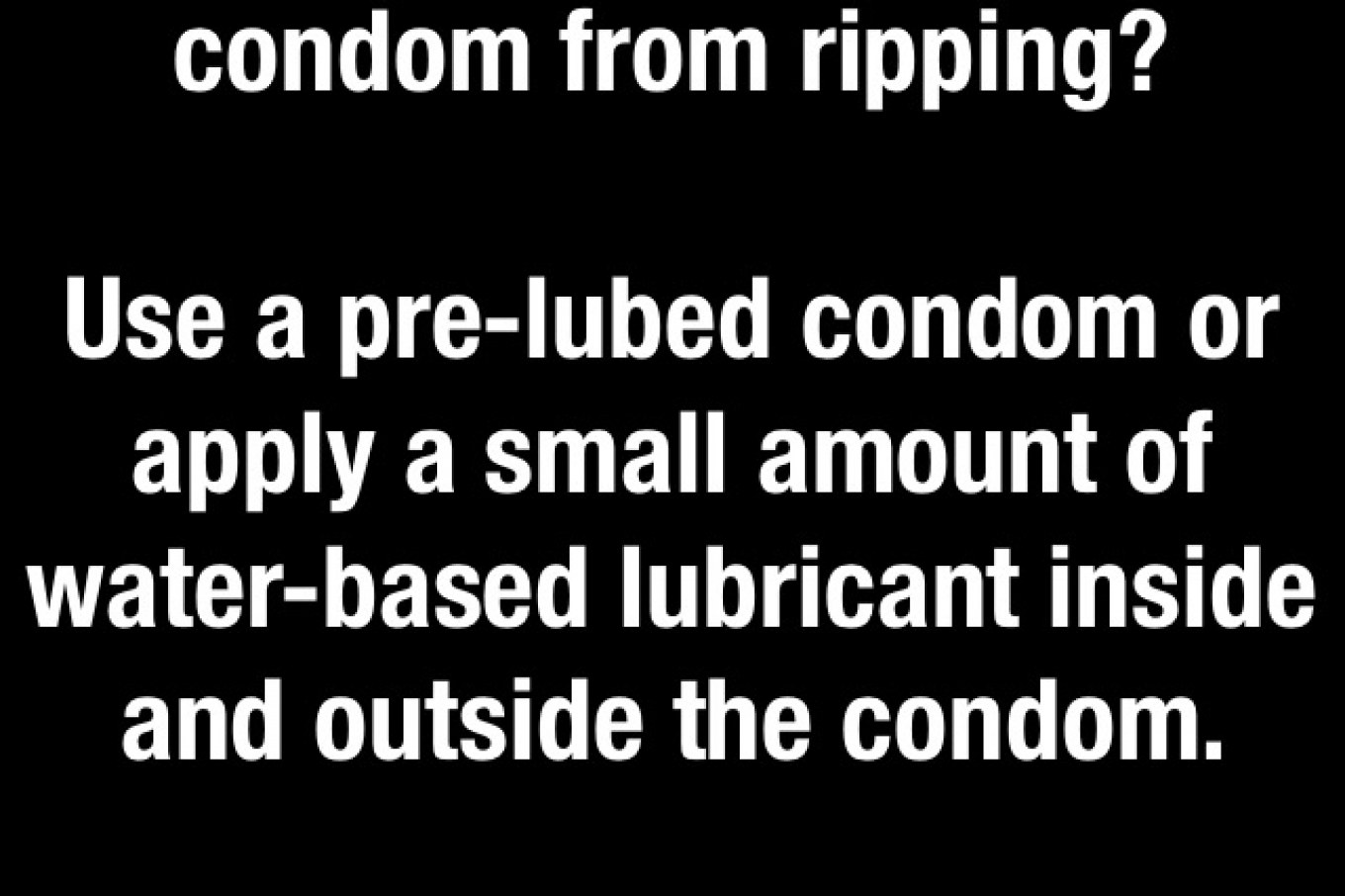
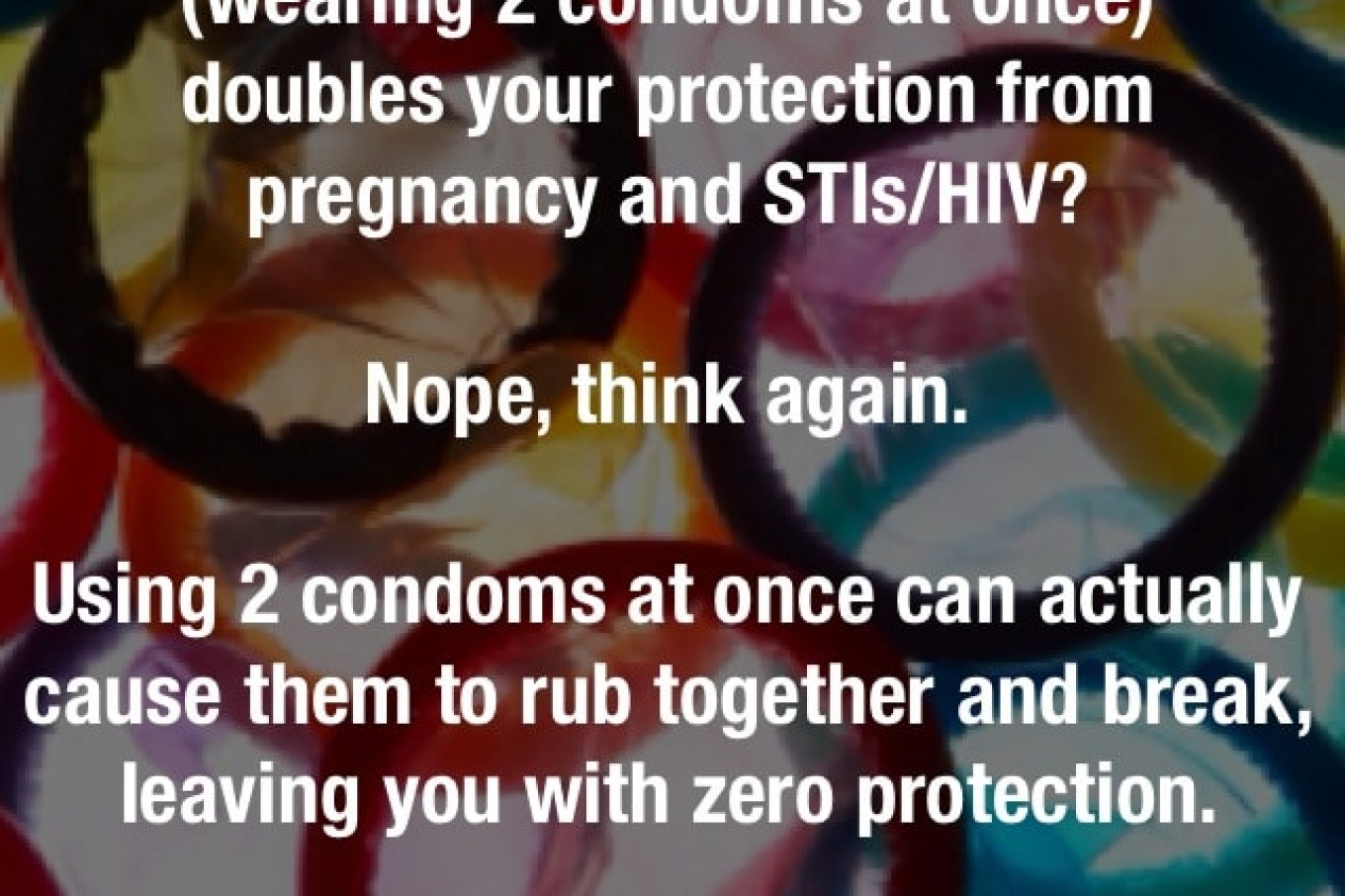
What do you do if a condom breaks? Stop immediately, withdraw, remove the broken condom, and put on a new one.
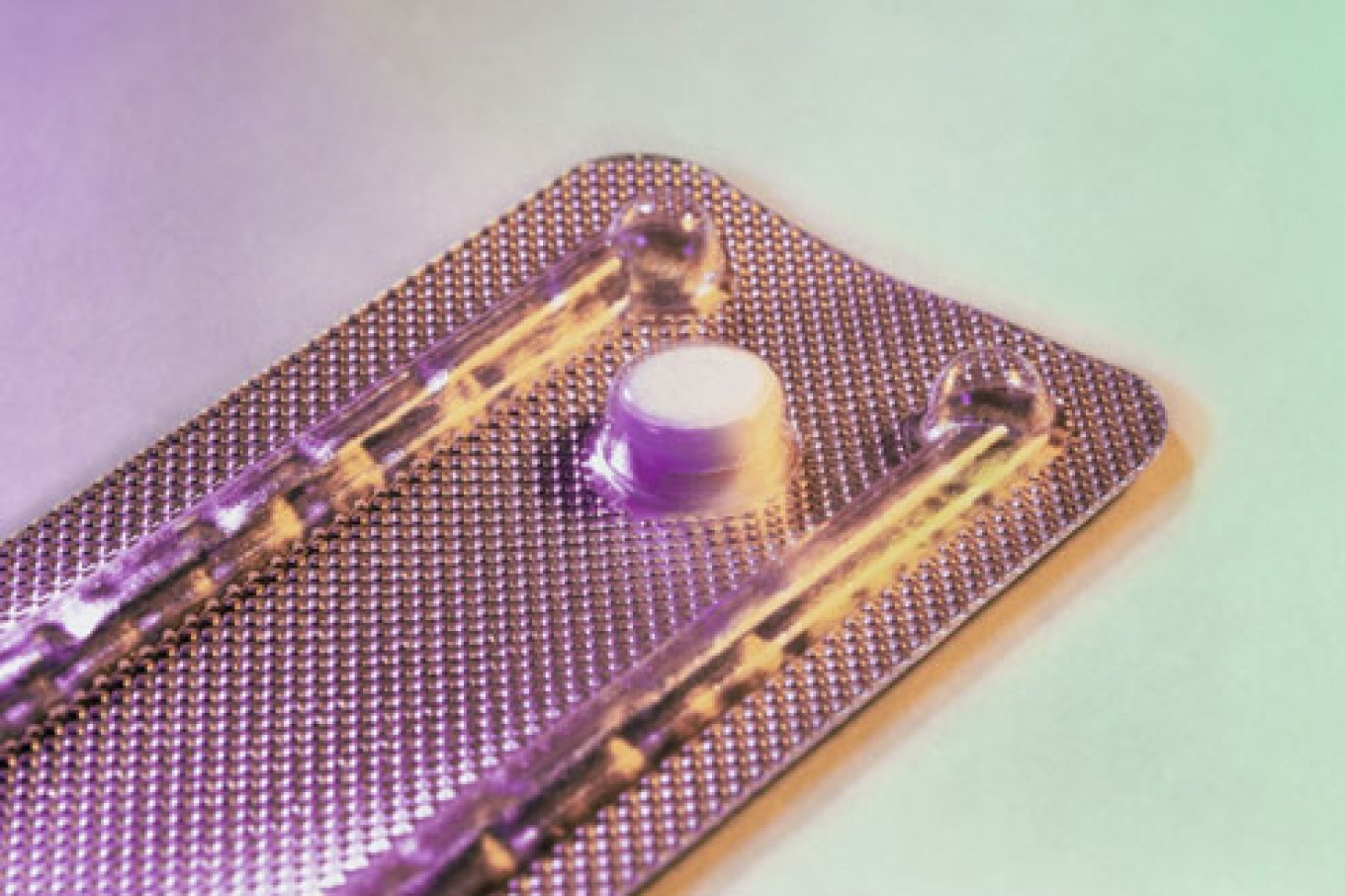
Condoms can break, slip, or leak if they’re not put on and taken off properly. If the condom breaks, emergency contraception can be used to prevent pregnancy. Emergency contraception can be started 5 days after unprotected sex, but the sooner it’s started the better.
And don’t forget: Emergency contraception does NOT protect against STDs.

1 note
emergency contraception birth control condoms

Reblog

Friday Fact!

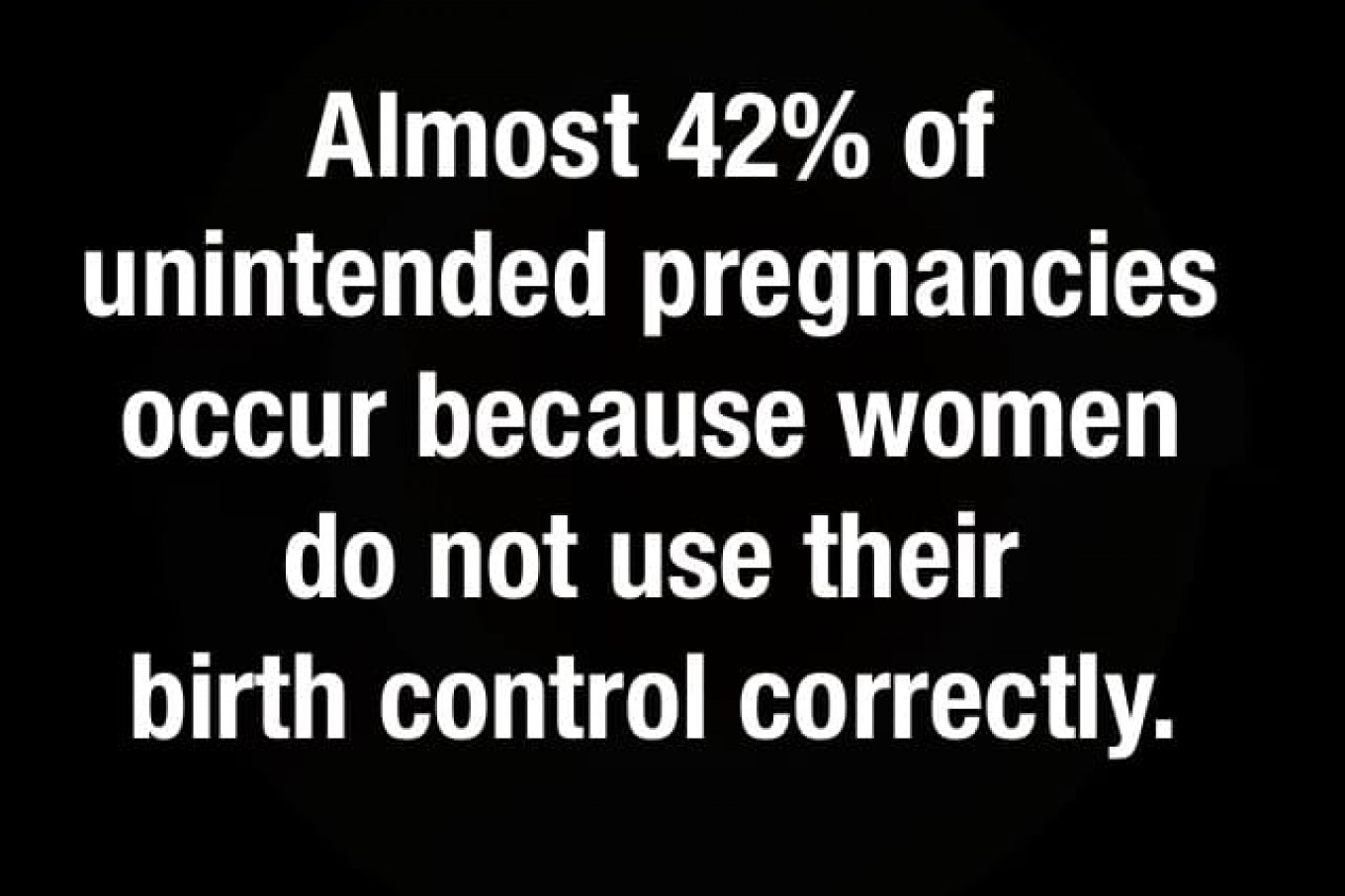
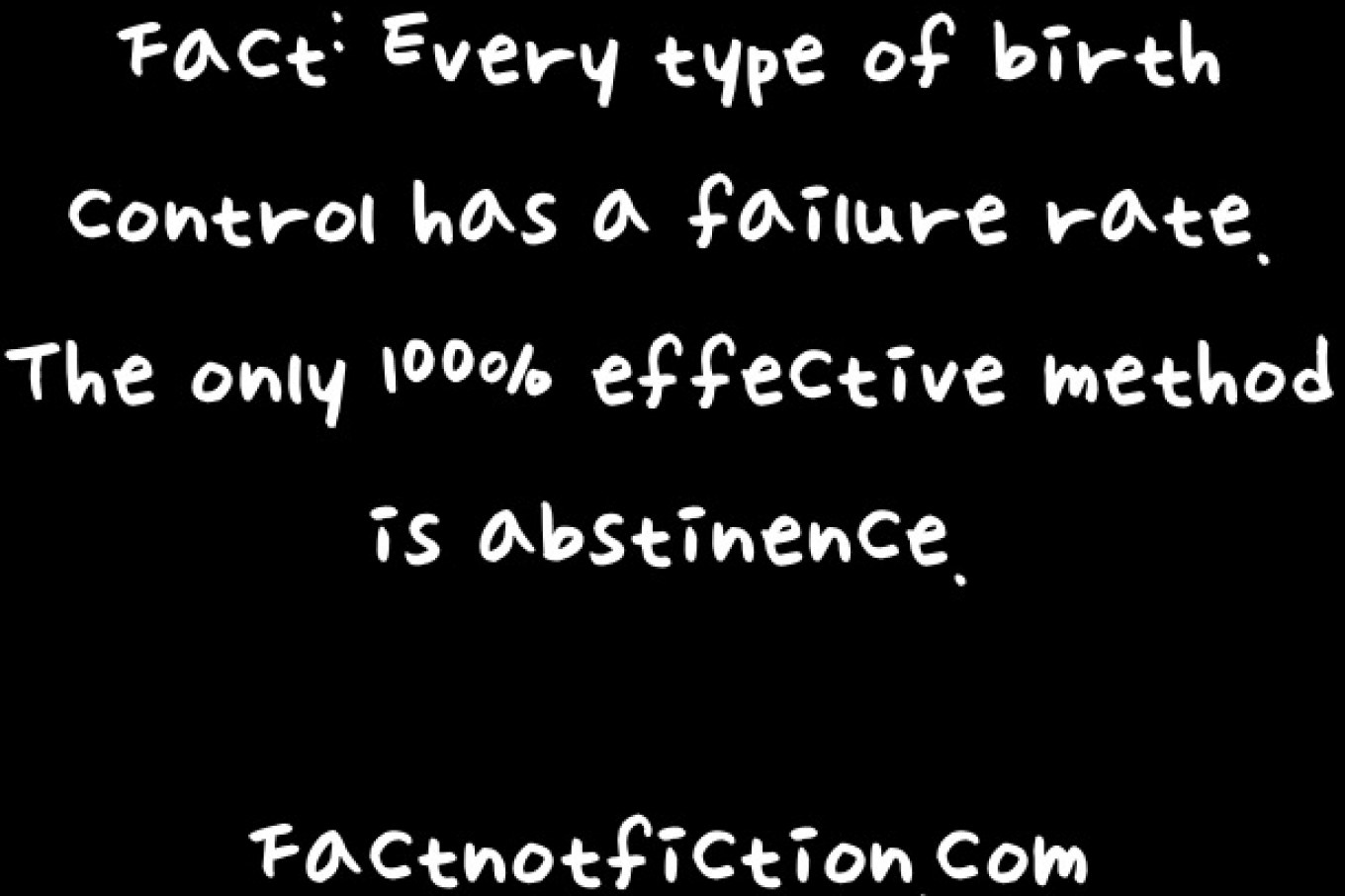
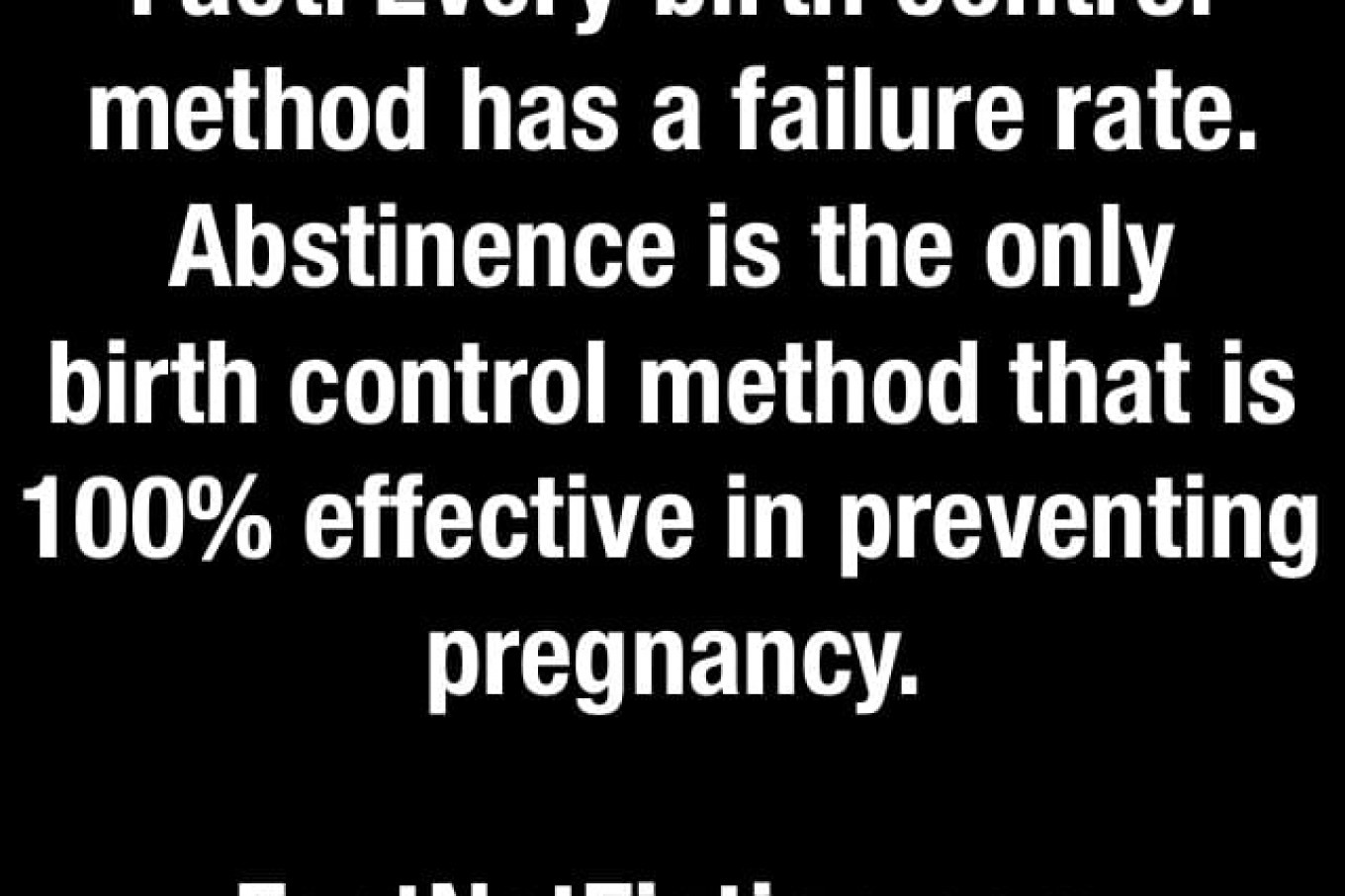
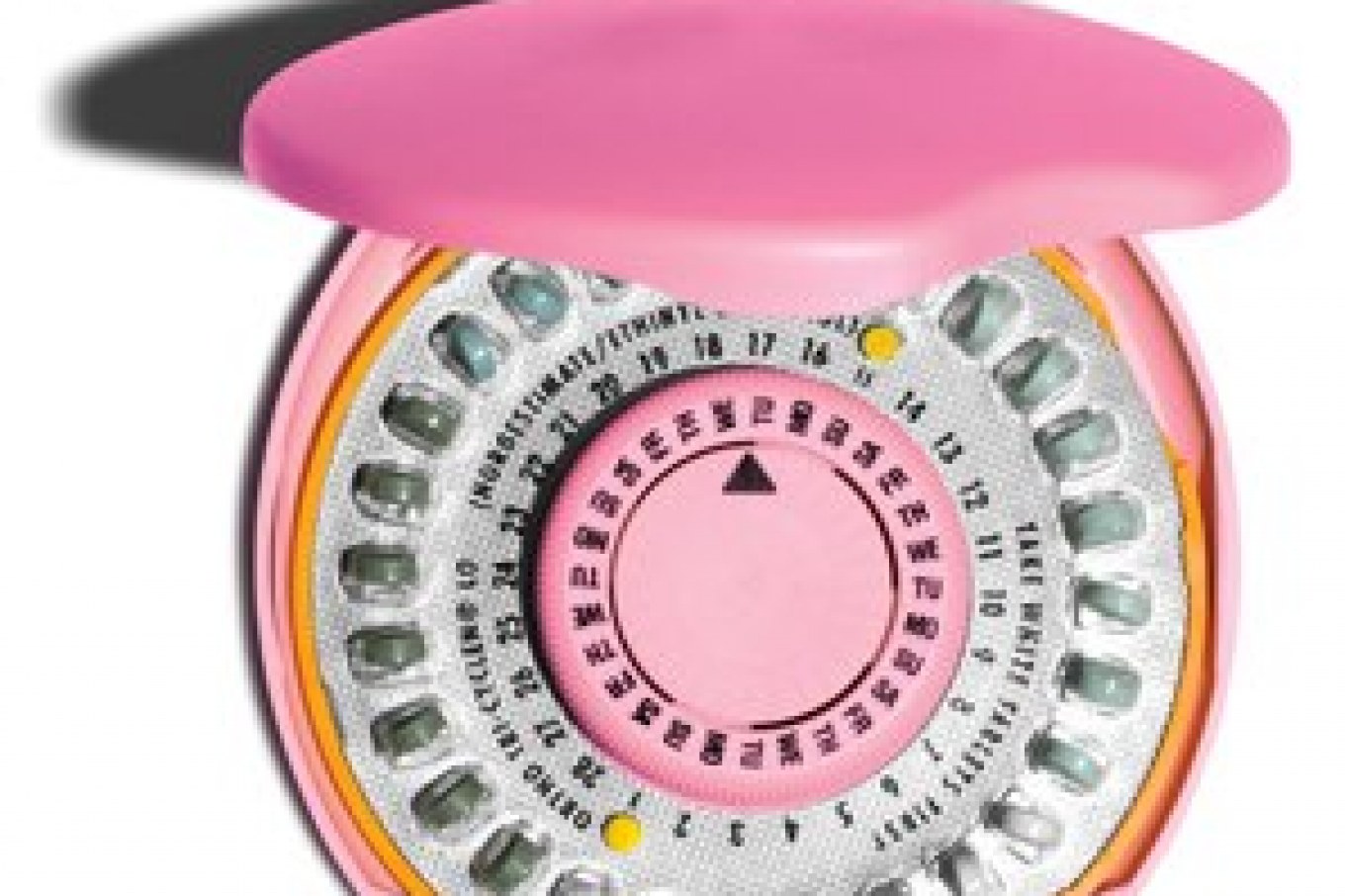
If a woman takes her birth control pill every day as directed, the chance of getting pregnant in a year is less than 1 out of 100. But, the reality is - many women using the pill are typical users, meaning they forget to take it sometimes. When a woman misses just one pill out of the pack, her chance to ovulate increases greatly. For these typical users, the numbers are not as good - 8 out of 100 women will get pregnant in a year on the pill.

Moral of the story? If you choose to have sex and are using the pill for your birth control, the best way for it to work best is by taking it every day without fail.

4 notes
friday fact birth control the pill teens

Reblog

FACTS ABOUT SEX

STDs/HIV:

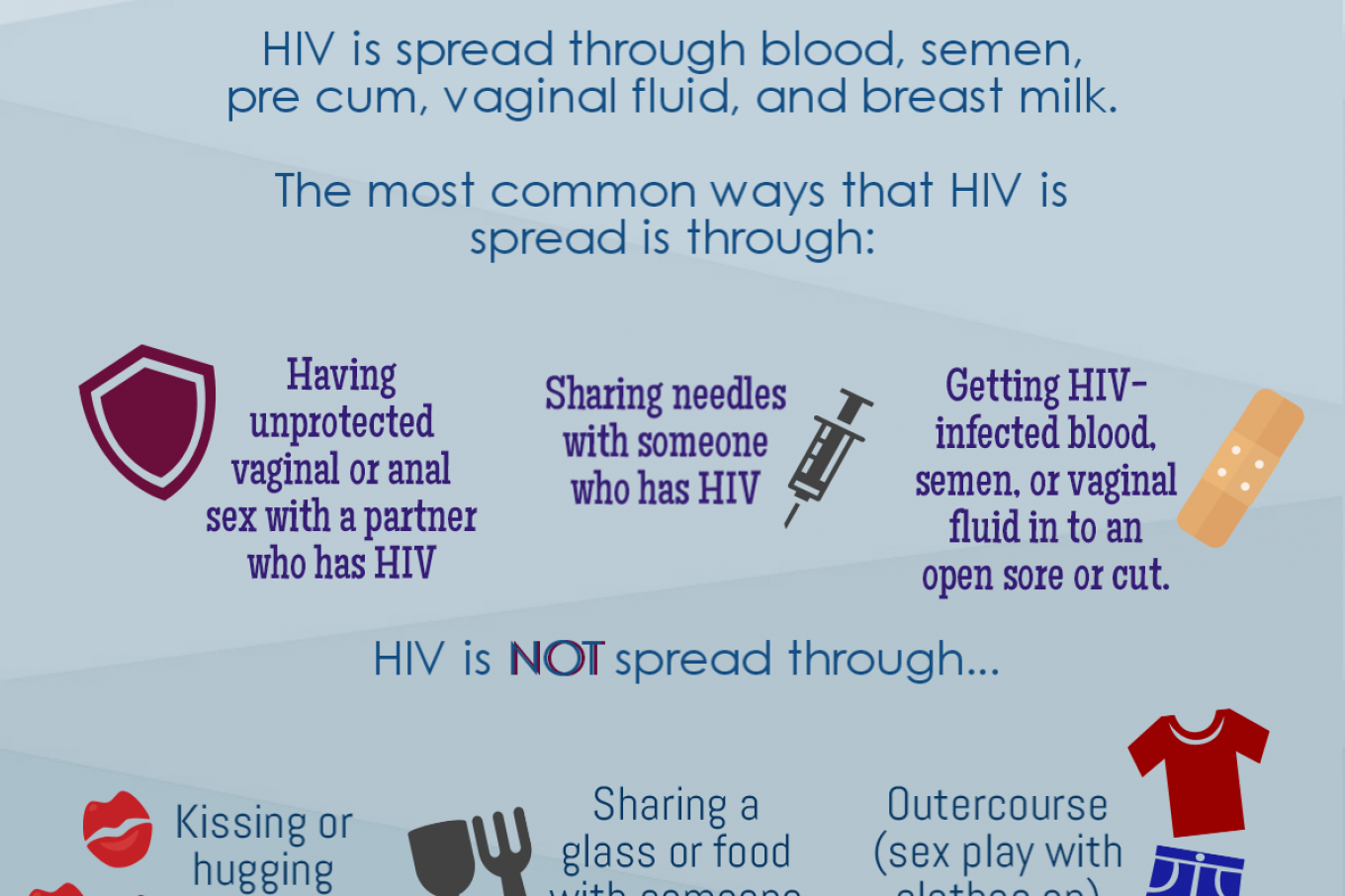
  • Birth control pills don’t prevent STDs or HIV.
  • Most STDs have no symptoms.
  • Oral sex puts you at risk for some STDs.
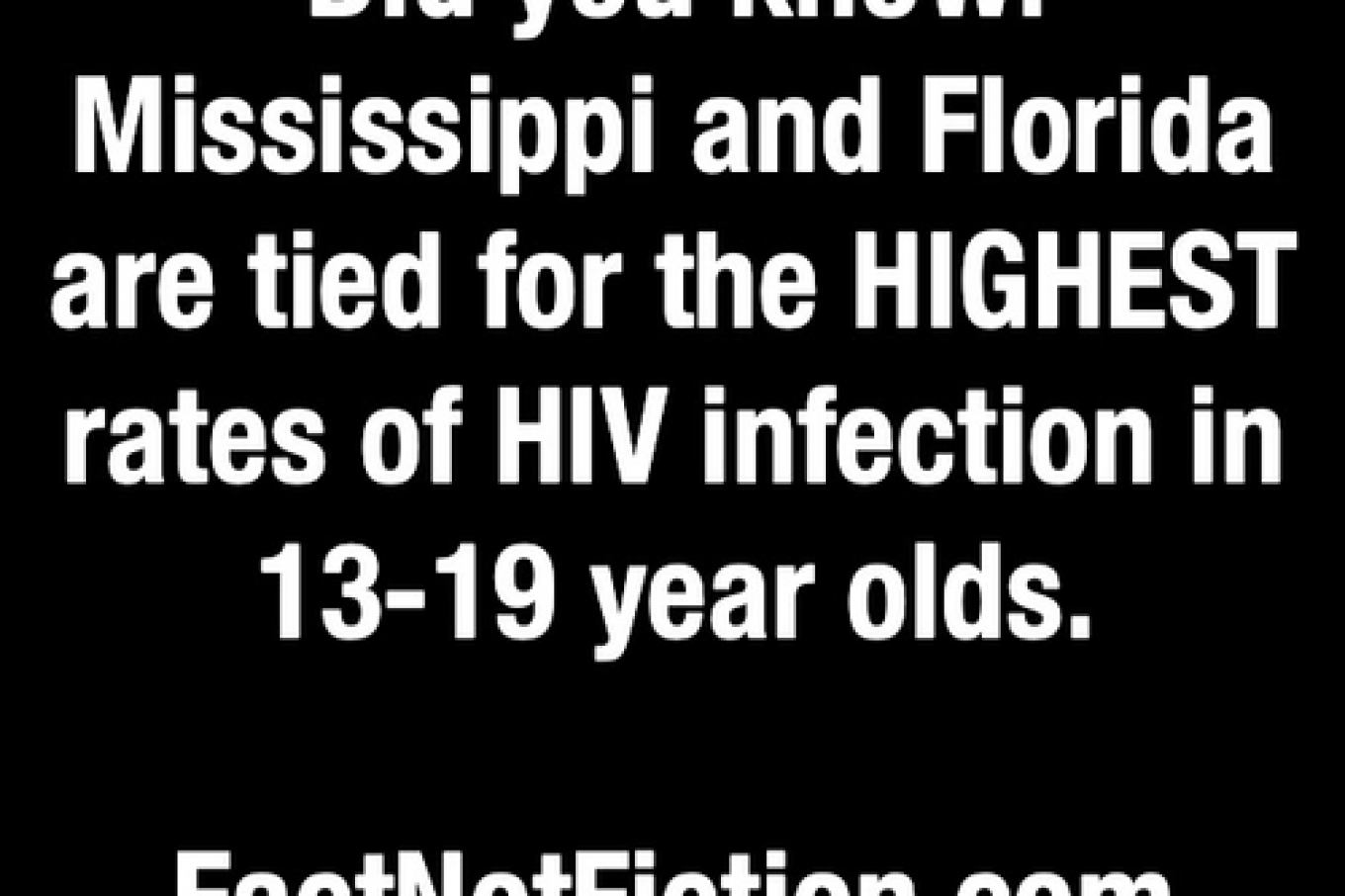
  • Mississippi and Florida are tied for the highest rates of HIV infection in 13-19 year olds.

RELATIONSHIPS:

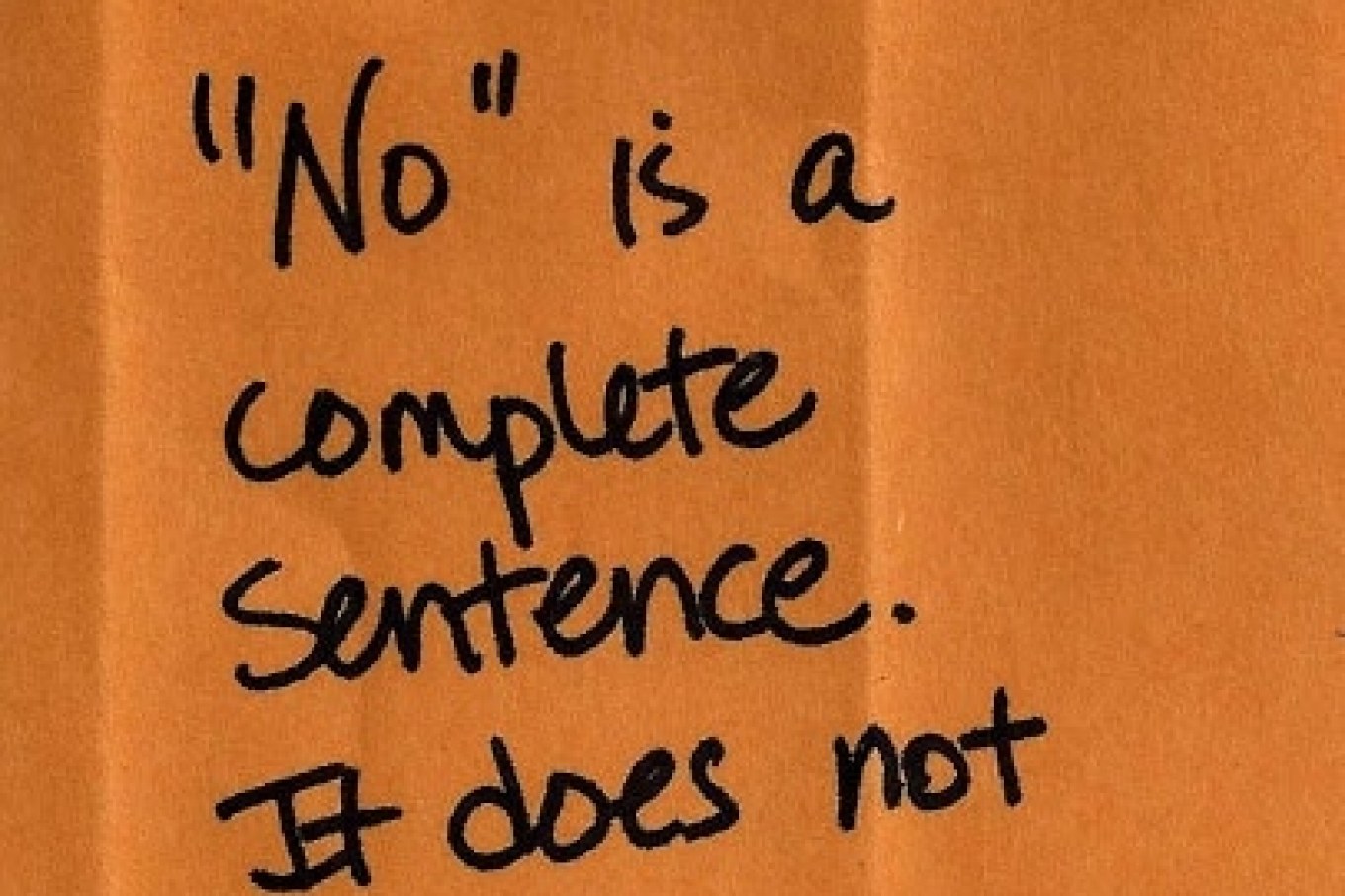
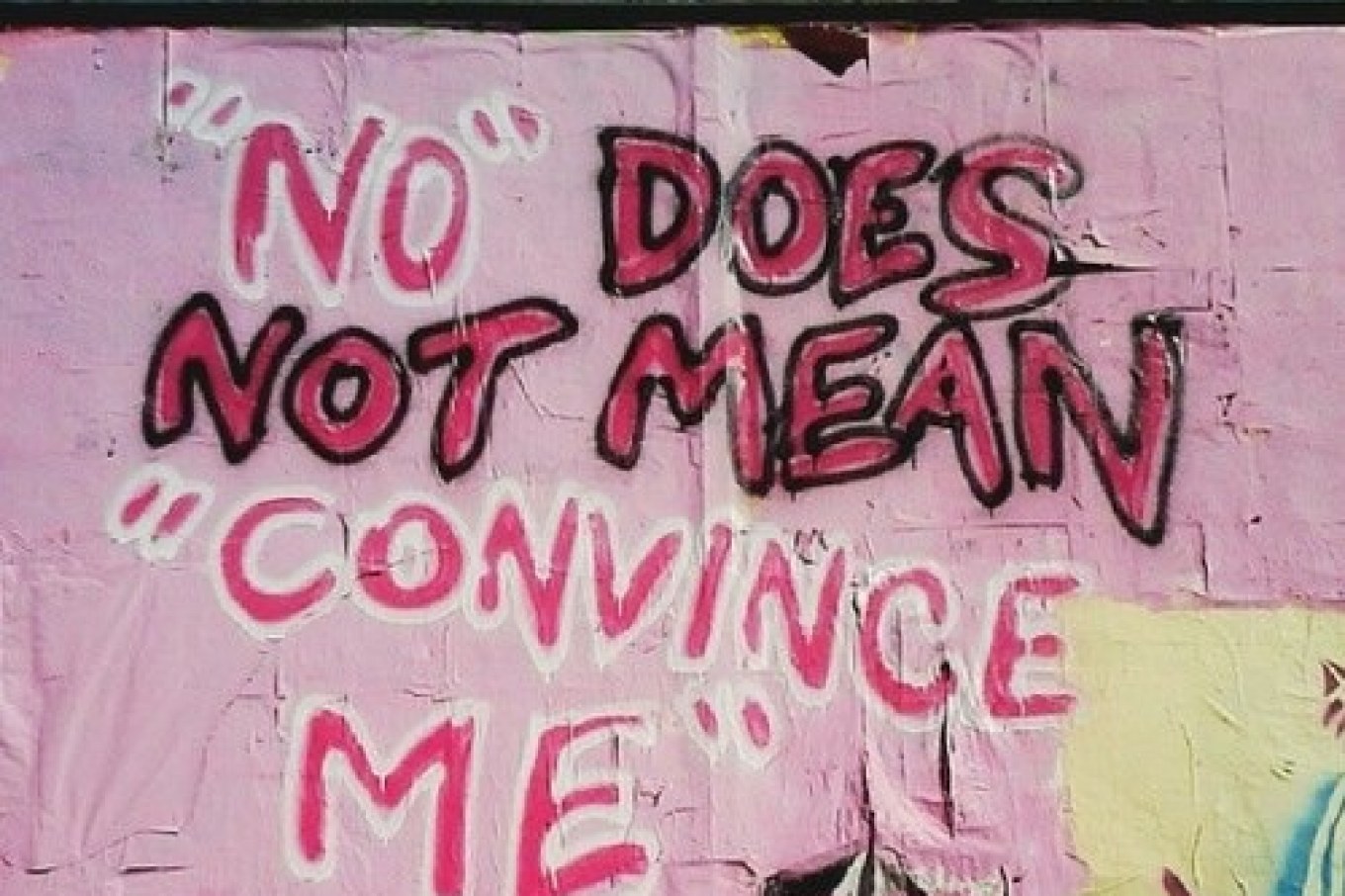
  • You don’t have to have sex until you want to. No means no.
  • Putting someone down, text-ing them 100x a day, and keeping them from their friends are all forms of abuse.
  • Healthy relationships have some drama, but mostly they make you feel good.
  • There are a million ways to be loving without having sex.

YOUR BODY AND SEX:

  • 42% of high school students in Mississippi are NOT having sex.
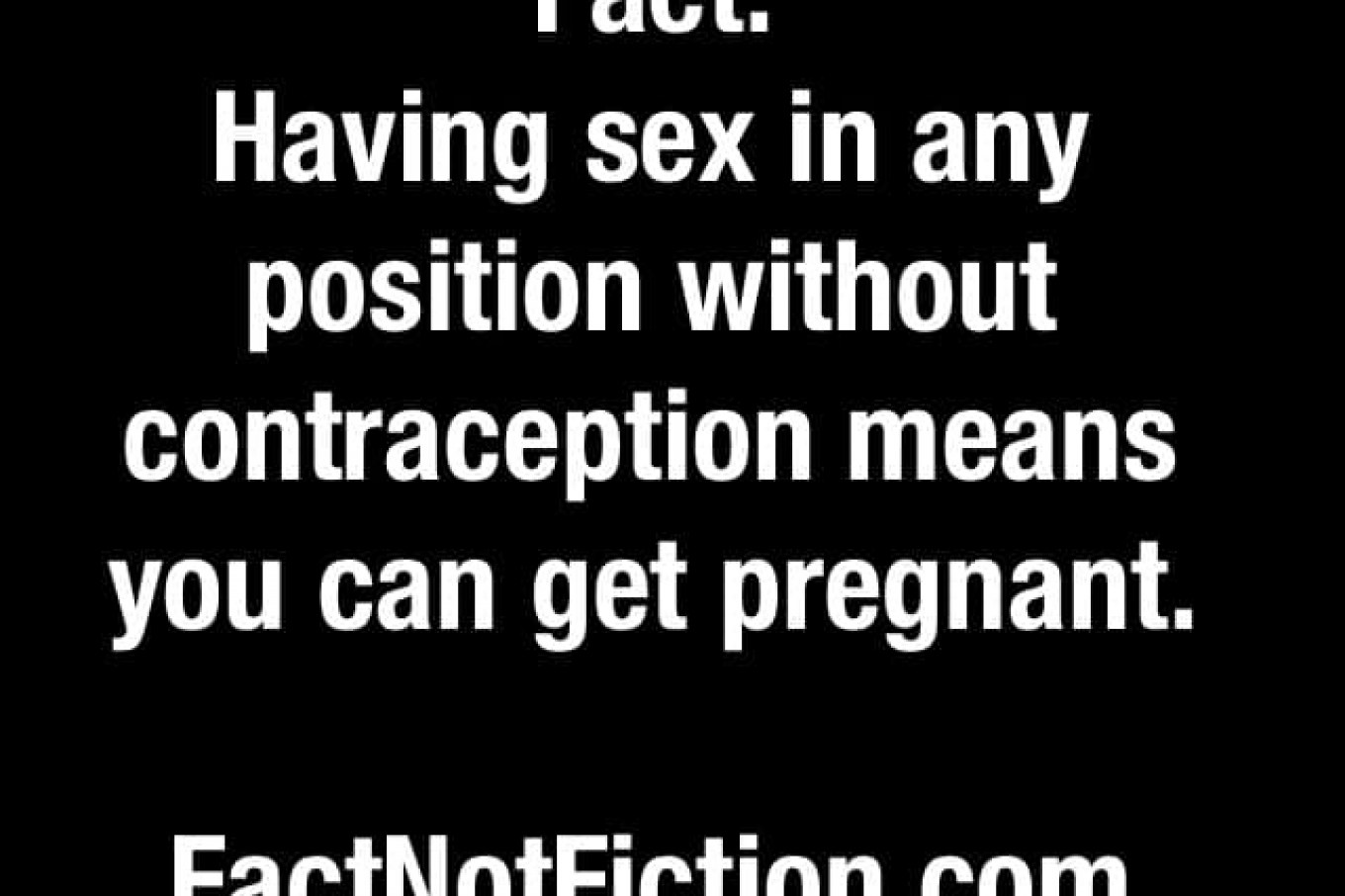
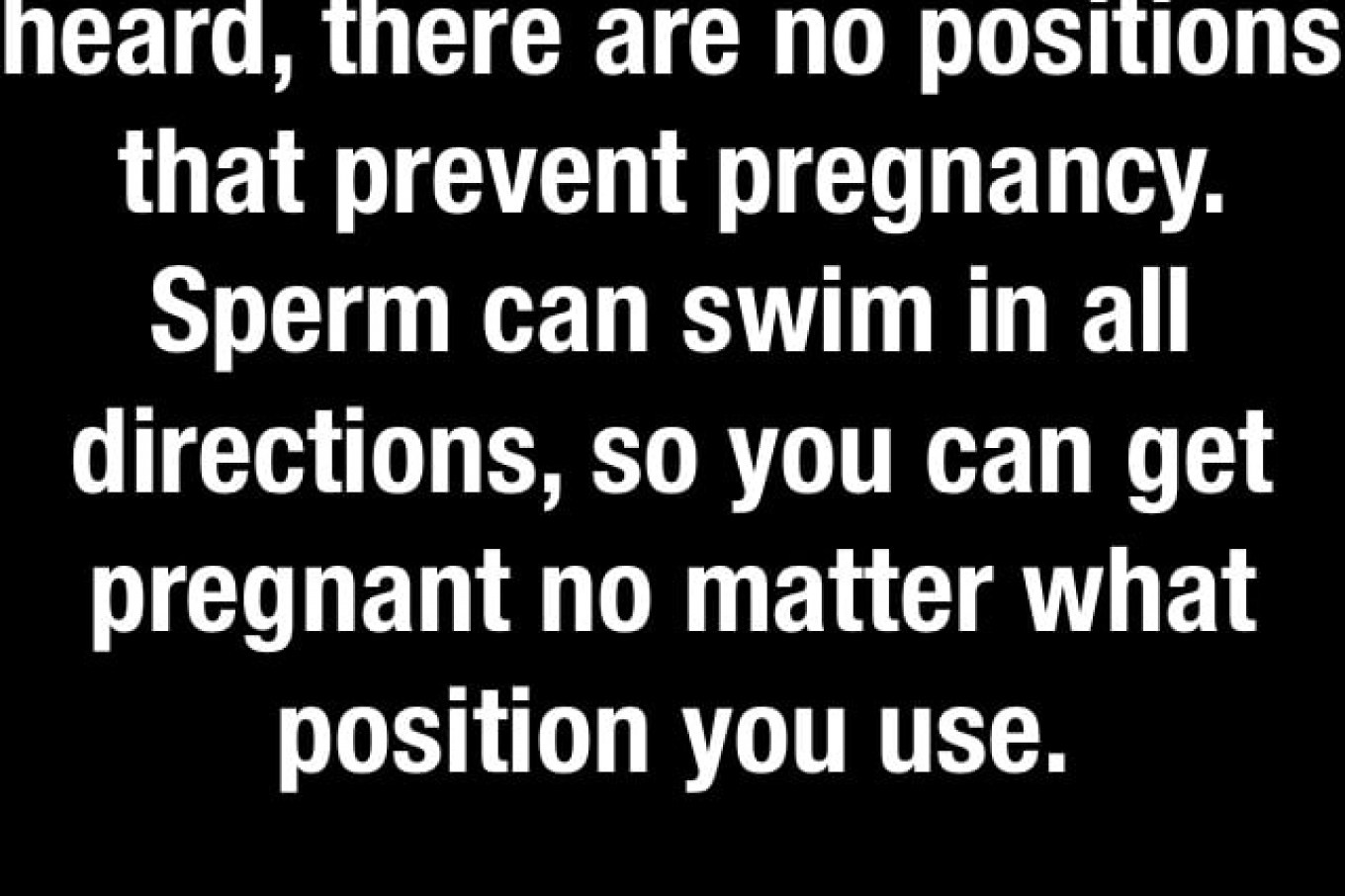
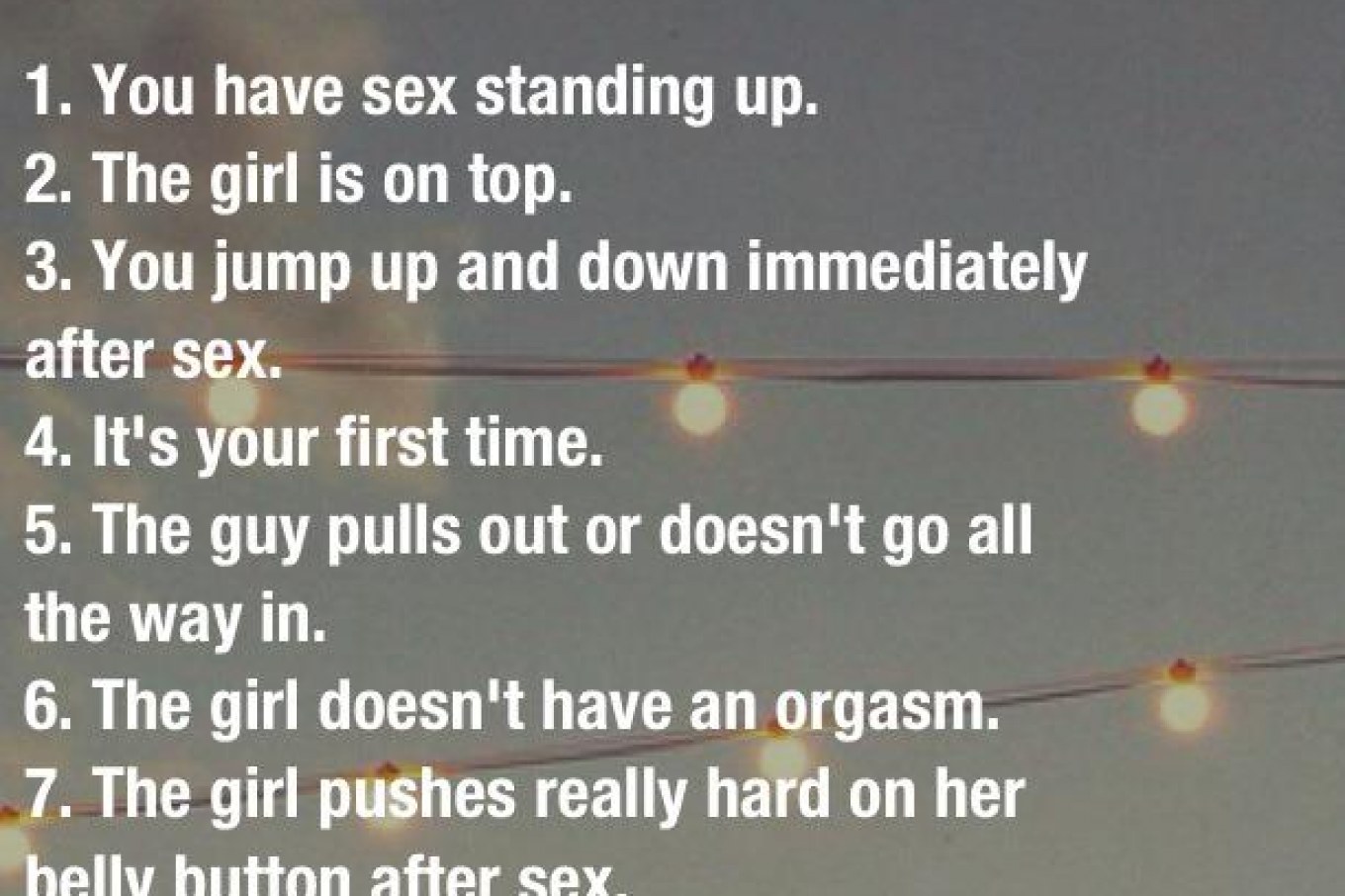
  • Having sex in any position without contraception means you can get pregnant.

PREGNANCY PREVENTION:

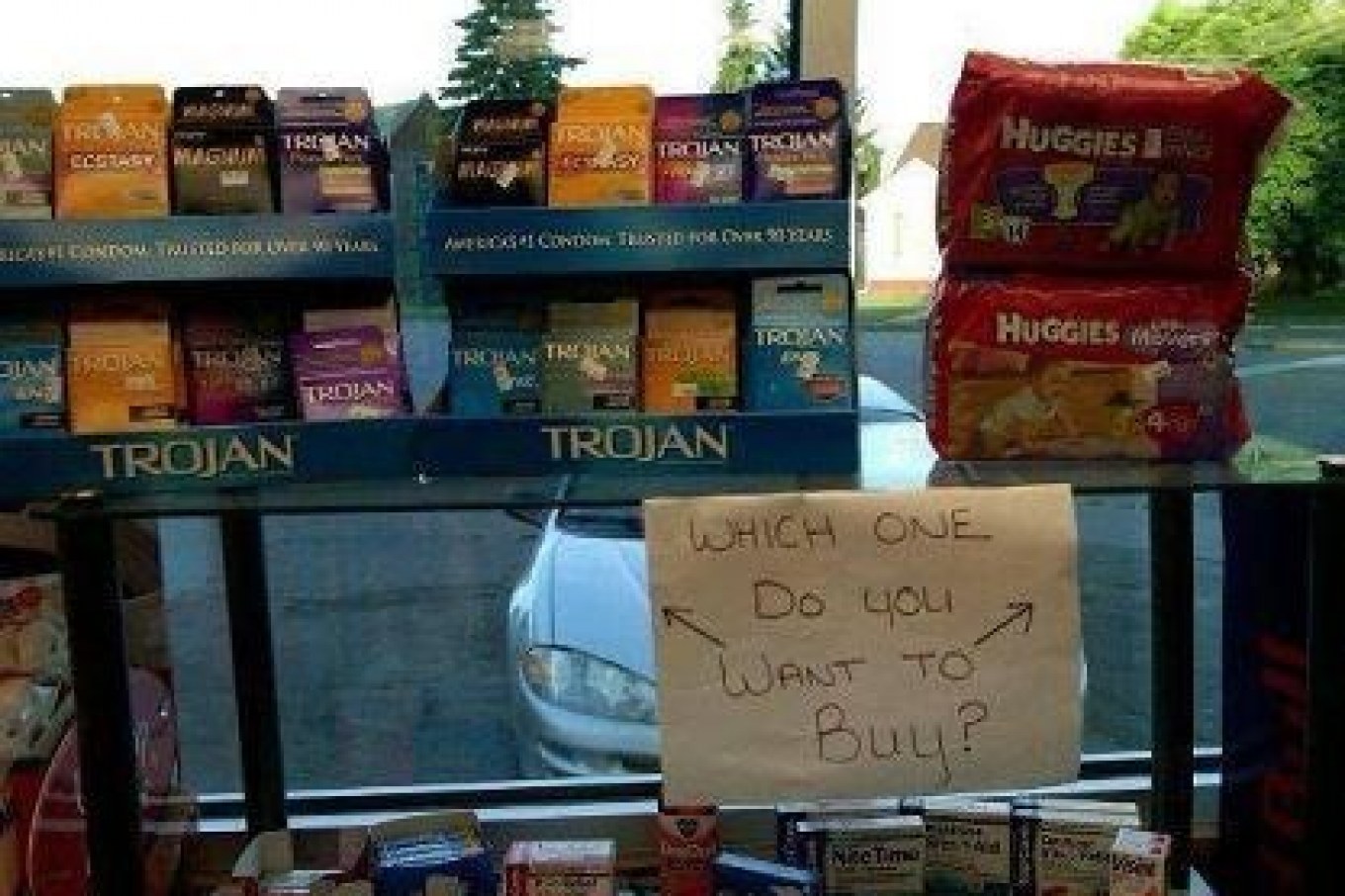
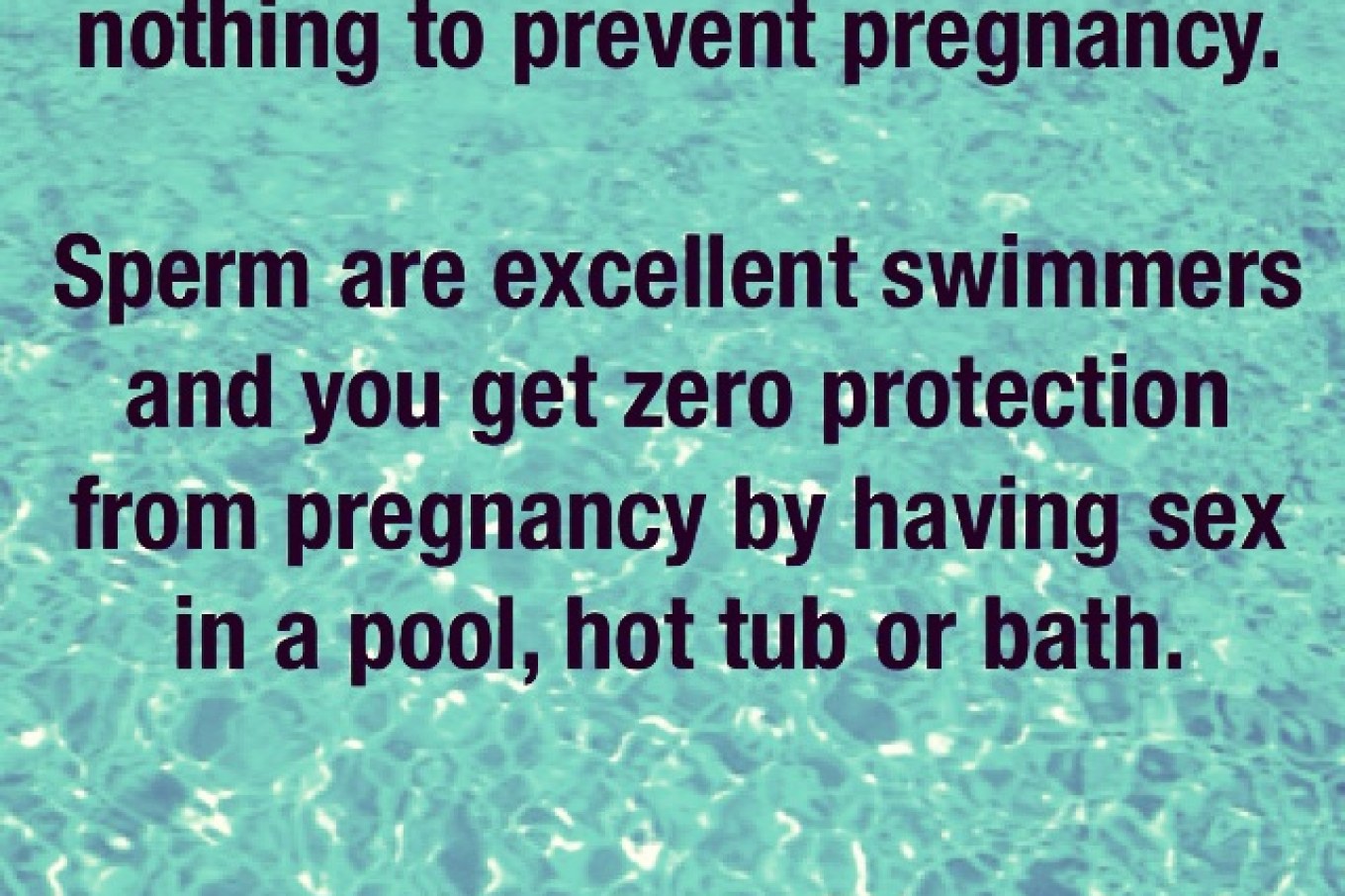
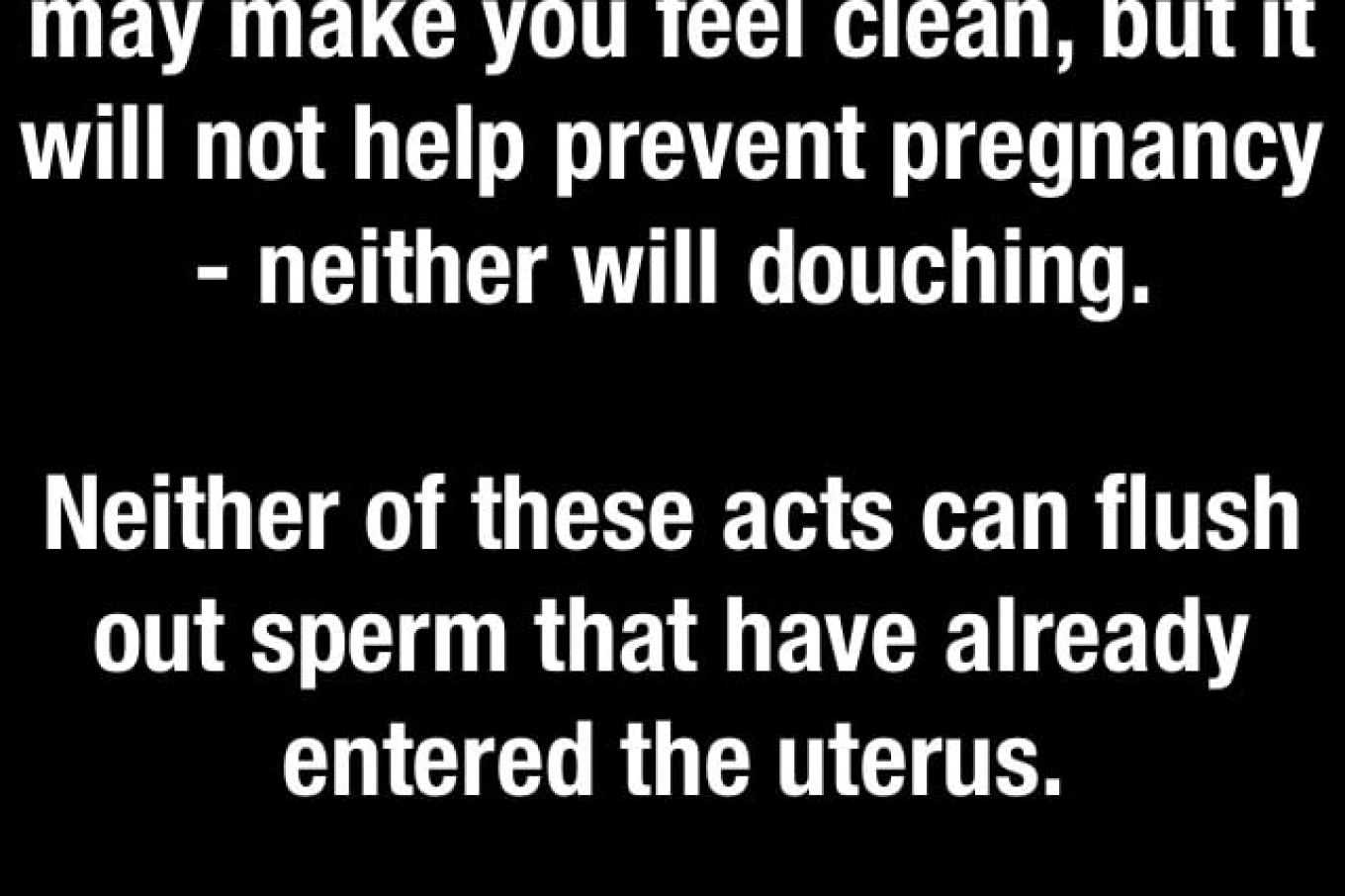
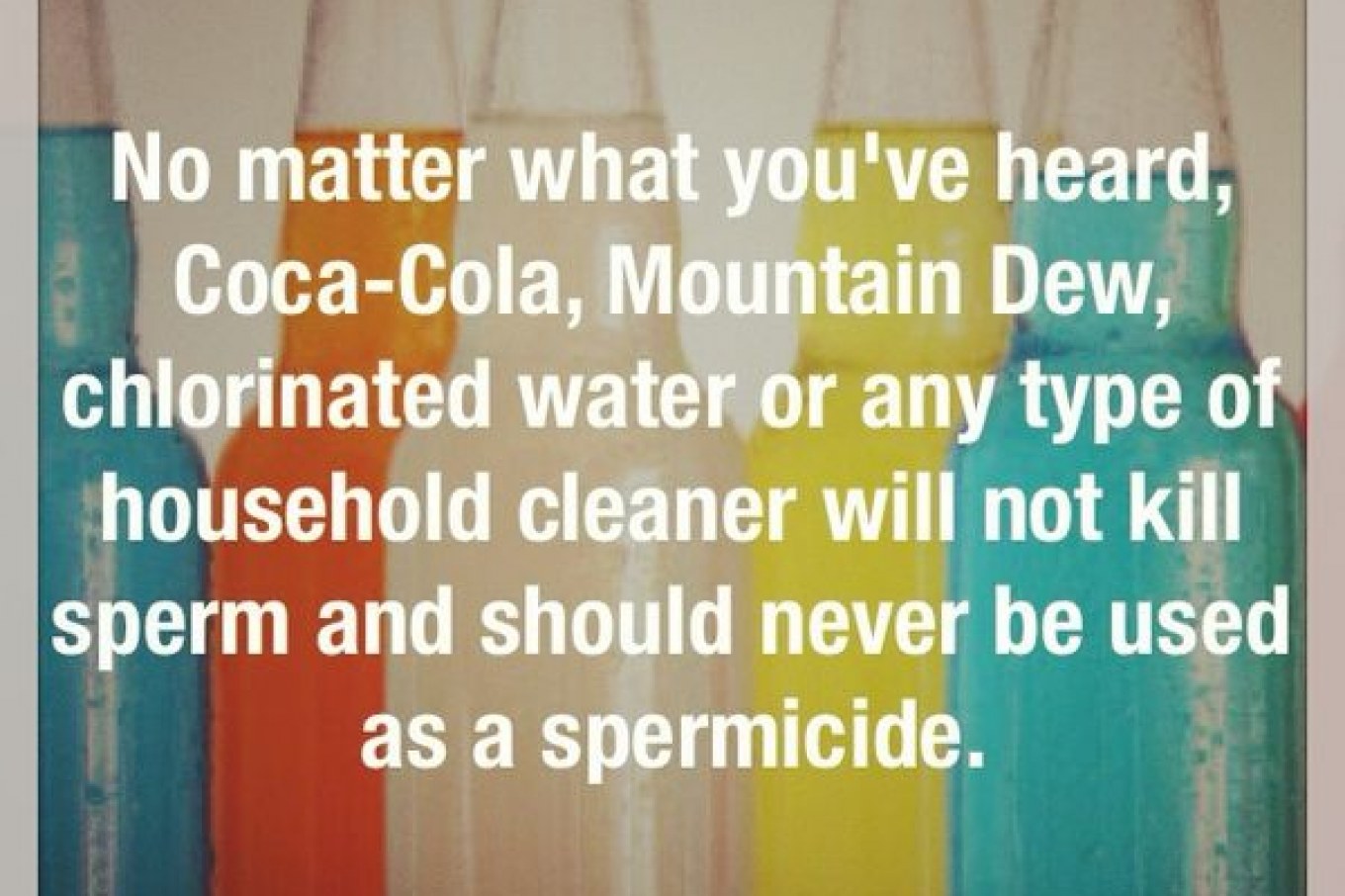
  • Having sex in a swimming pool, hot tub, or other chlorinated water is NOT a birth control method.
  • You can still get pregnant if you don’t use birth control and you shower after sex.
  • 35% of Mississippi high school students do not use condoms during sexual intercourse putting them at risk for STDs, HIV and pregnancy.
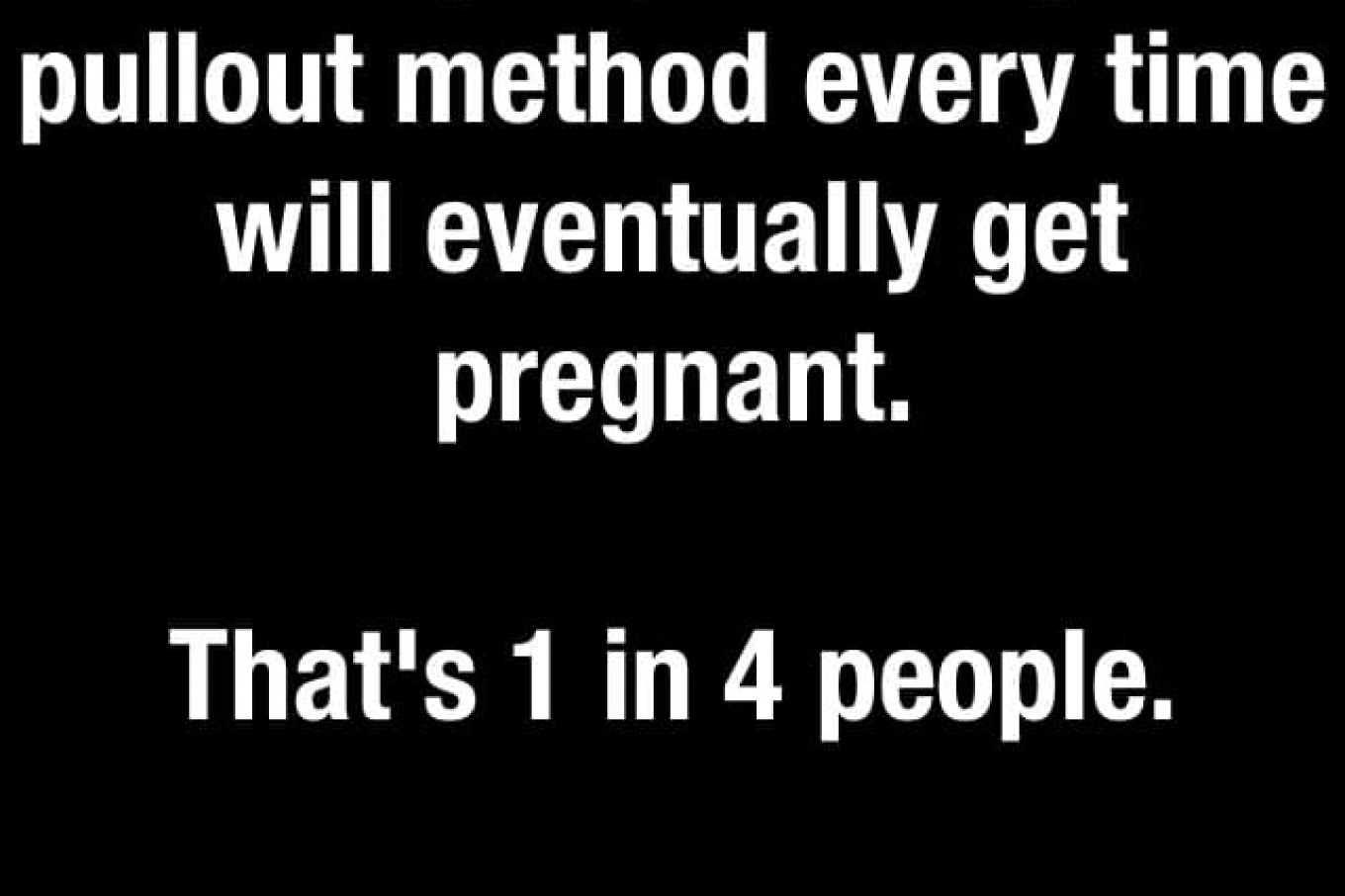
  • Pulling out (withdrawal) to prevent pregnancy has been shown to fail 1 out of 4 times.
1 note
pregnancy prevention teen pregnancy sex stds hiv relationships teens facts about sex

Reblog

Ask the FNF Experts: “Can you get pregnant from being fingered?”

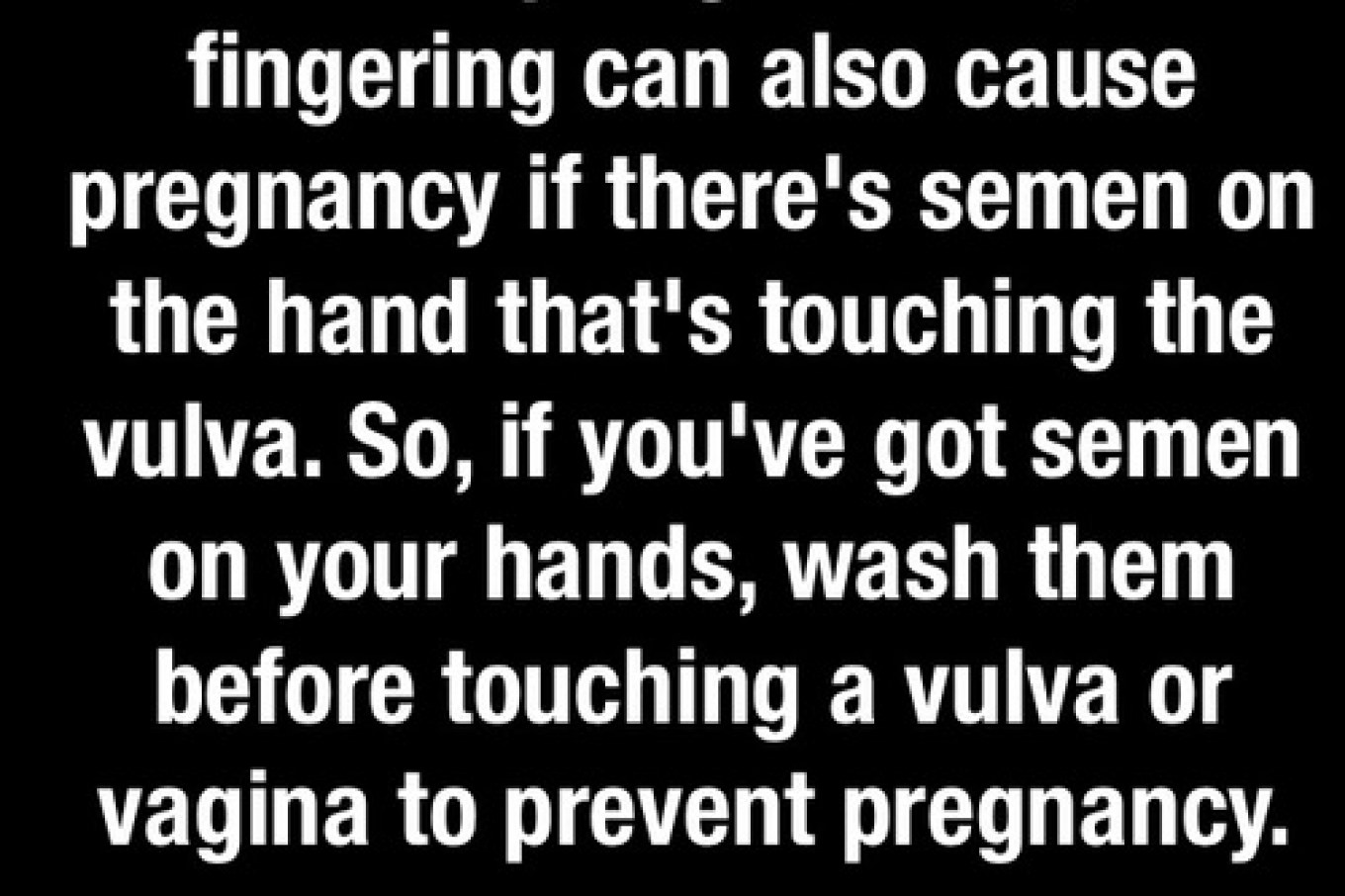
No, you cannot get pregnant from a partner simply putting his finger in your vagina, as long as he hasn’t  touched his penis after he “comes” (ejaculates)before inserting his finger.  Be aware, also, if your partner’s penis gets very close to the opening of your vagina (the introitus) and he does “come” (ejaculates), sperm are able to travel up the vagina and into the uterus, making it possible for you to become pregnant.

Hope this helps!

-FNF Experts


ask the experts teens sex pregnant

Reblog

FNF Advice: Relationships

image

Let’s face it, sometimes it can be hard to find role models for good relationships. The relationships we see on TV shows and in the movies aren’t real, and most of the celebrities we see on the Internet gossip sites or on TV usually aren’t the best examples of healthy relationships. You might have parents who love each other and support each other, or you may know other adults in your community (at church, in the neighborhood, at school) who seem to be in good, strong relationships. You might want to ask them what they think makes a good relationship.

Sometimes it’s hard to know if we are in a good or a bad relationship or even what that means.

It’s easy to get caught up in the way you feel about someone or feel like you are supposed to be with someone or maybe you just don’t want to be alone.

When that happens, we can be blind to whether or not our relationship is a good one or bad one.

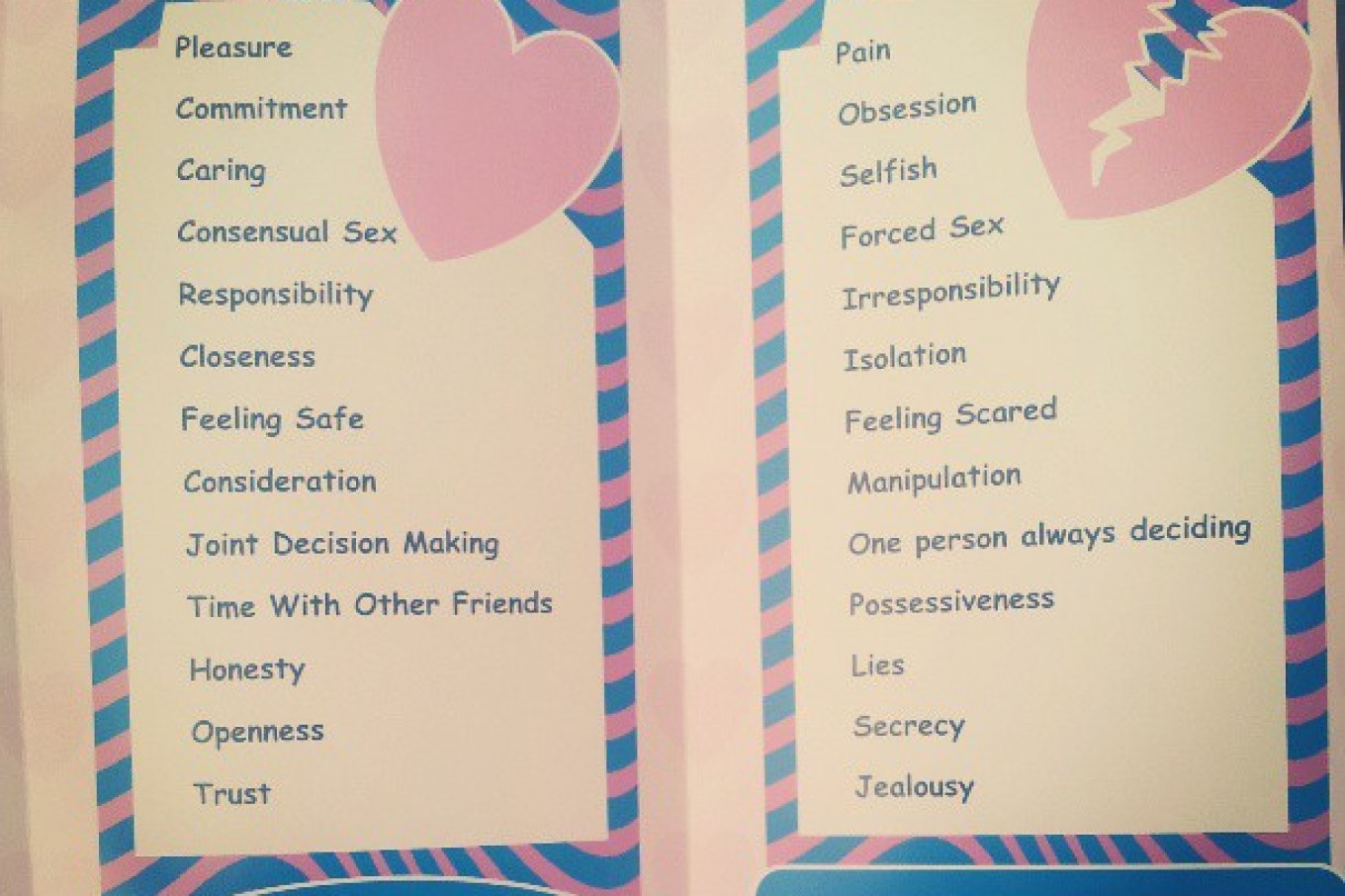
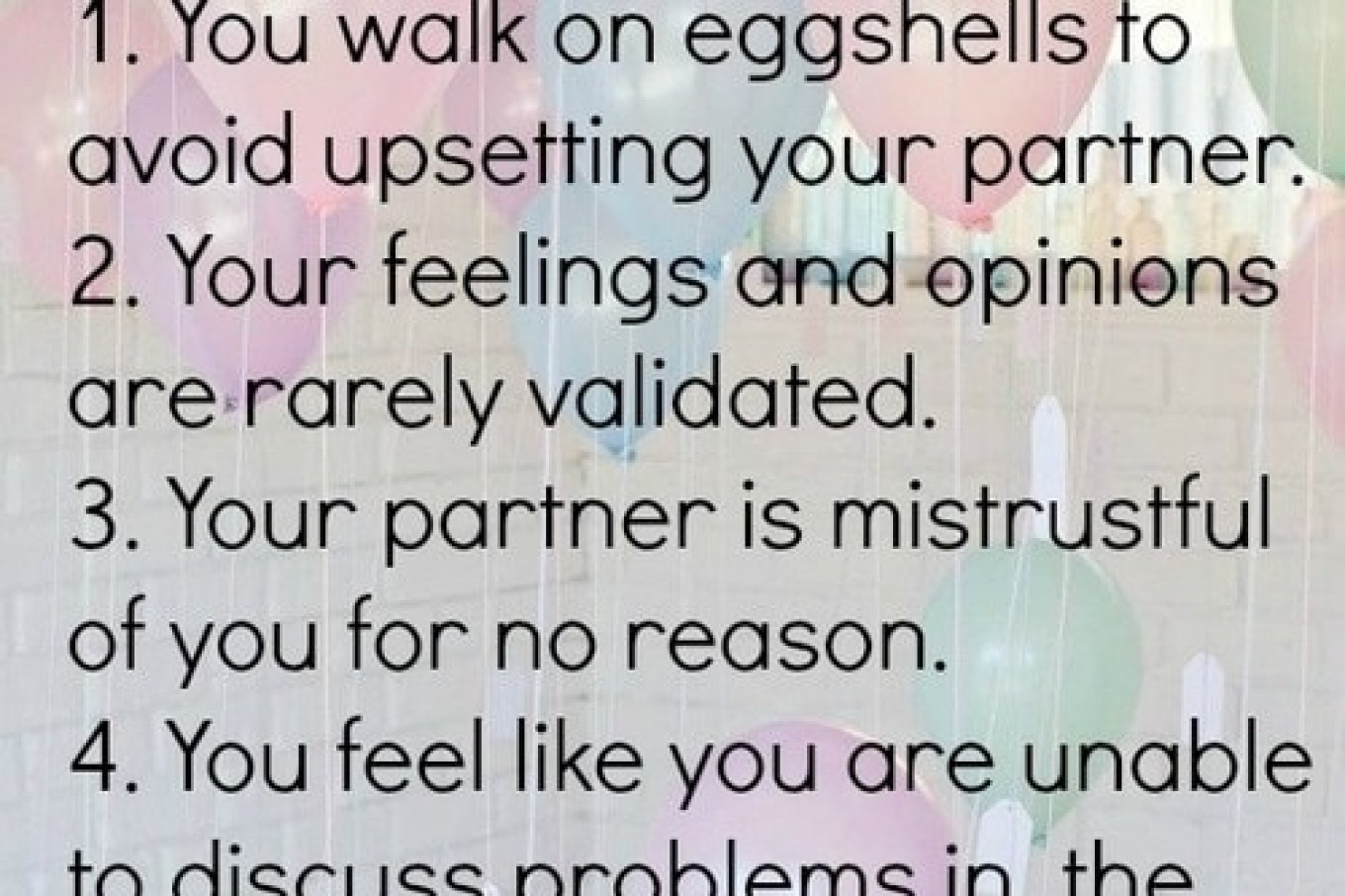
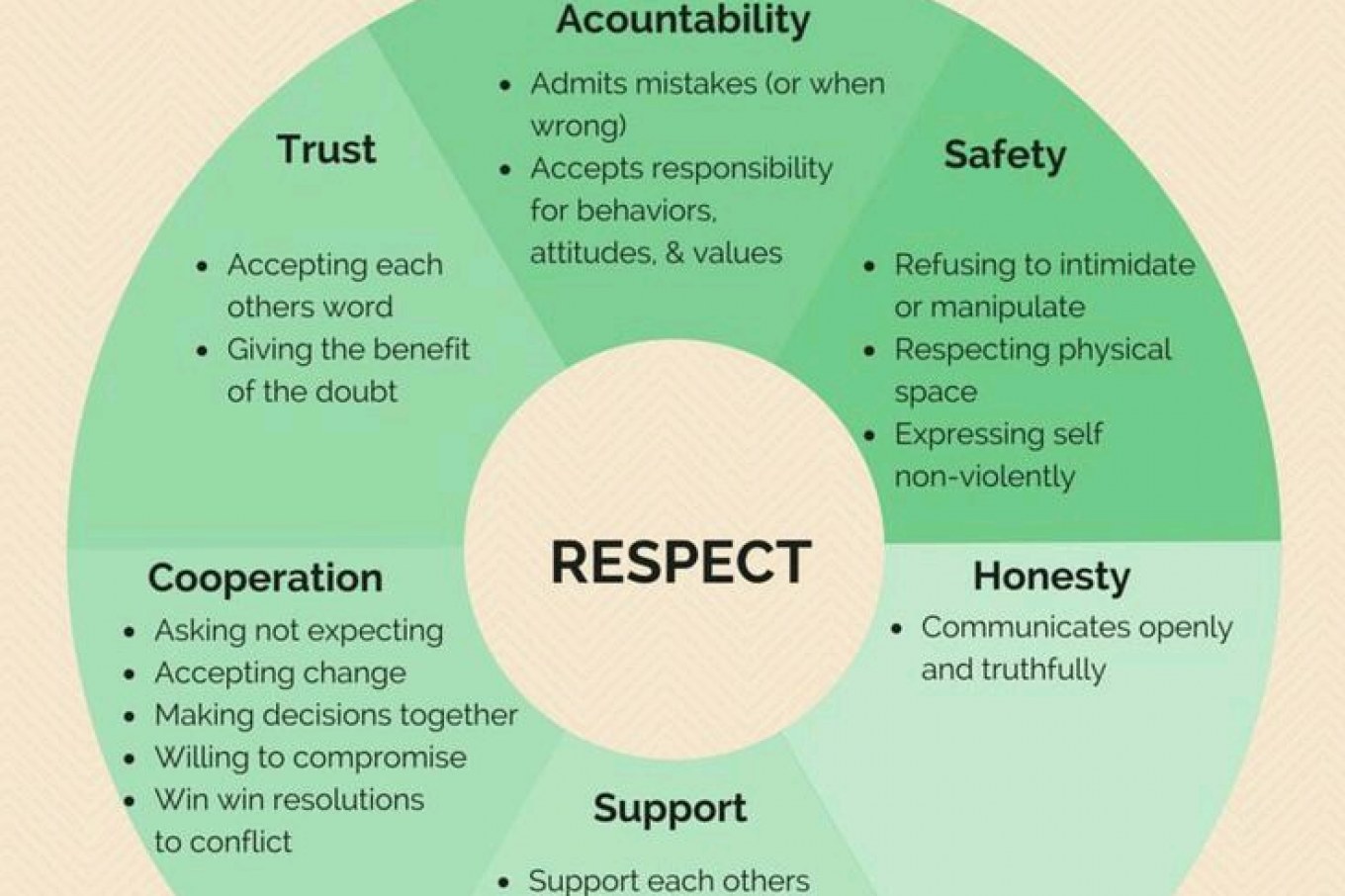
But what is it that makes a relationship healthy? In healthy relationships, both people feel like equals. They feel loved and respected. Neither person forces the other to do anything they don’t want to do. A healthy relationship is free of violence, no hitting, punching, scratching, or threatening to hurt someone. They don’t put each other down, call each other names, text 100 times a day, or use threats of breaking up to get what they want. When a couple in a healthy relationship decides to do anything together – go for a walk, watch a movie, hold hands, or have sex if both people in the relationship agree to do it. When you’re in a healthy relationship, you want to spend time with that person because it feels nice, you want to support them in the things they do and feel supported when you take a chance, you want to ask them for advice when you have a problem, and you think about how they would feel whenever you make decisions in your own life.

In order to make a healthy relationship and to know if you have a healthy relationship, you have to have good, open communication, you need to be able to talk to each other and listen to each other. It’s not always easy for us to talk about how we feel about each other or let someone know when we’ve been hurt or when we liked something they did. Learning how to talk to a friend, boyfriend, or girlfriend about how you feel can be embarrassing and make both of you feel uncomfortable. Luckily, with a little practice, you’ll find that it gets easier to do, and when you learn how to have good, open communication, you can talk about what you want in your relationship and what you like and don’t like. That way, when you start feeling like you might want to have sex, you can talk to your girlfriend or boyfriend about it and about how to be safe from STDs and HIV and avoid pregnancy. If you feel like you can’t talk about birth control or about having sex with your partner, you might want to wait and focus on getting to know each other and learning to talk to one another.

It is never okay for someone to hit you or hurt you anyway, call you names, make fun of you, threaten you, or force you to do something that you don’t want to do. If you find yourself in a situation where you are afraid that someone is going to physically hurt you, run away, call for help, make loud noises, call the police, and/or find an adult who you trust to help you. If you are in a relationship where someone is abusing you in anyway, find an adult and tell them what is happening. There are plenty of adults who are will help you get out of the situation at school, at church, at clinic or doctor’s office, a community center, or the police station. You do not have to remain in the relationship and you don’t have to face it alone.

Take a quiz to see if your relationship is healthy at Love is Respect.
http://www.loveisrespect.org/


relationships teens love

Reblog

Ask the FNF Experts!


Do you have questions about STDs, sex, relationships or pregnancy prevention? Search thru old questions to see if we’ve already answered it via the #asktheexperts tag, or ask a new one!

Submit your question here: http://factnotfiction.com/ask


STDs sex pregnancy prevention ask the experts teens

Reblog

The STD Files: Genital Herpes

What is Genital Herpes?

Genital Herpes is an STD that’s caused by herpes simplex viruses type 1 (HSV-1) or type 2 (HSV-2). According to CDC, 776,000 people will get infected with the disease every year. A person gets genital herpes by having sex (vaginal, anal or oral) with someone who has it. The viruses can also be released from skin that does not appear to have a sore.

How do I know if I have it?

The first sign of a genital herpes infection includes one or more blisters on or around the genitals, rectum or mouth. The blisters break and leave painful sores that may take several weeks to heal. The first time someone has an outbreak they may also experience flu-like symptoms such as fever, body aches and swollen glands.

Can it be cured or treated?
Herpes is not curable, however it is a manageable condition. Your doctor can give you medication that can shorten outbreaks and reduce the likelihood of transmission to your partner.

Wearing a latex condom is one of the best ways to reduce the risk of genital herpes; however, any area not covered by a condom that comes into contact with an outbreak is subject to infection. The best way to avoid transmission of genital herpes is to abstain from sexual contact with partners when sores or other symptoms of herpes are present. And remember, even if a partner does not have any symptoms, he or she can still have this STD and infect others.

For more information about genital herpes and its symptoms, read the CDC post here: http://www.cdc.gov/std/herpes/STDFact-Herpes.htm.

Need to get tested? Find a Mississippi health center near you: http://factnotfictionms.com/clinics.

1 note
stds genital herpes gyt teens

Reblog